.png)

TL;DR
Amazon combined Rufus and Alexa+ into Alexa for Shopping on May 13, 2026, pushing product discovery into question-led, personalized recommendations. We explain what brands can verify, how to separate observed answers from paid prompts, and how PageLens.ai recommends tracking product-level evidence before acting.
Amazon Alexa for Shopping: AI Visibility Changes for Brands
Amazon says its former shopping assistant helped more than 300 million customers in 2025 and contributed nearly $12 billion in incremental annualized sales, according to its 2025 results. That scale makes the shift from a separate chat experience to a broader shopping interface material for brands that depend on Amazon discovery.
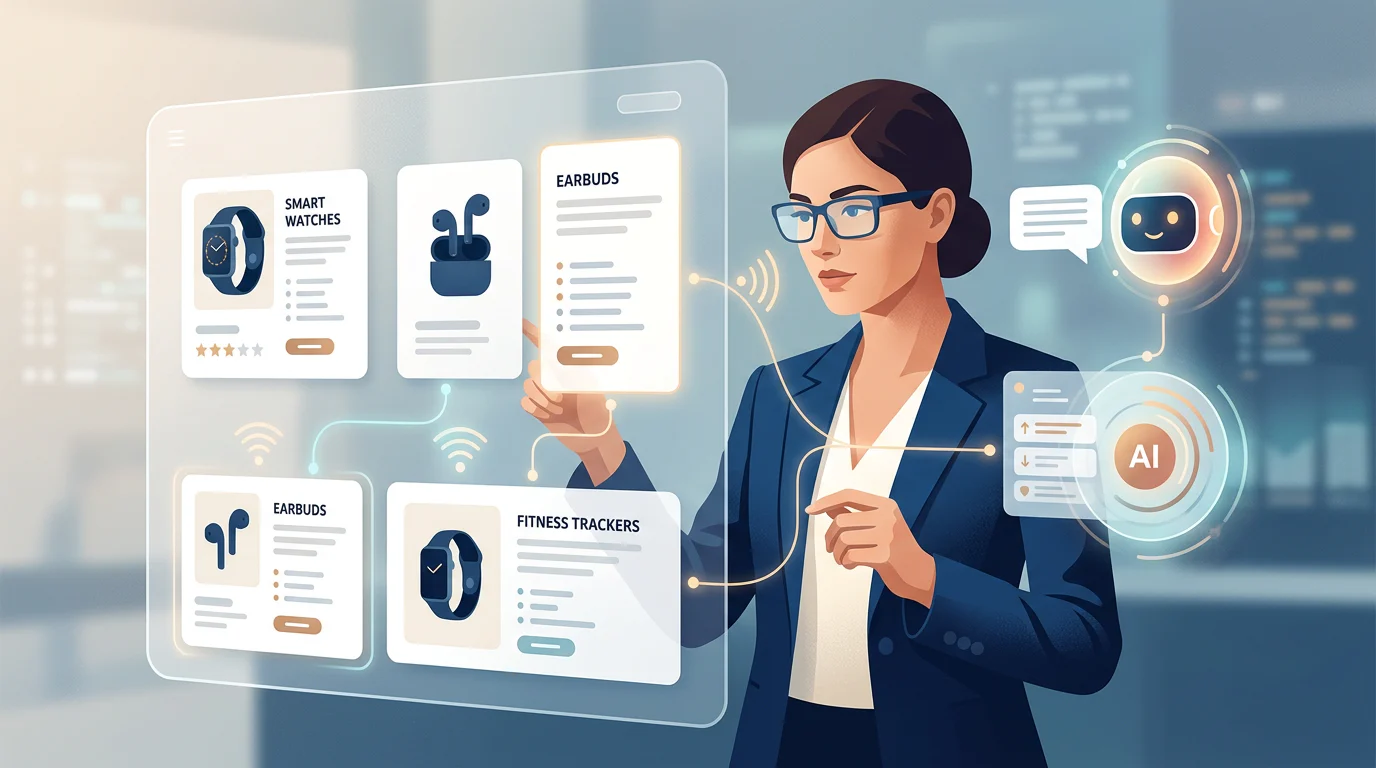
On May 13, 2026, Amazon combined Rufus and Alexa+ into Alexa for Shopping, making its AI assistant available across the Amazon app, website, and Echo Show for U.S. customers. For brands, Amazon Alexa for Shopping AI visibility now means measuring question-led recommendations, comparisons, and paid prompts, not only conventional Amazon search rankings.
We explain the confirmed change, the measurement implications, and the workflow brands and agencies can use without treating a personalized assistant response as a fixed rank. The goal is practical evidence that connects product information, campaign data, and observed shopper answers.
What Changed on May 13
Amazon combined Rufus product knowledge with Alexa+ context and personalization to create Alexa for Shopping. The experience is available to U.S. customers in the app, on Amazon.com, and on Echo Show devices, with no Prime membership or Echo device required, according to the launch announcement.
The name change matters because the customer journey changed too. Shoppers can ask questions in the main Amazon search bar, compare products side by side, review AI-generated category and product summaries, set price alerts, and continue shopping conversations across devices. “Rufus optimization” remains useful language for historical research, but a current measurement program should use Alexa for Shopping as the operating context.
For us, the important distinction is simple: this is no longer just a feature a shopper opens after searching. It can shape discovery, evaluation, and purchase decisions within the same session. That makes evidence about how products are described just as important as evidence about whether they appear.
Why Visibility Now Includes More Than Search
Amazon’s earlier documentation explained that product answers could draw on listing details, customer reviews, community Q&As, catalog information, and information from across the web. Its assistant overview also makes clear that the system supports category research, comparisons, recommendations, and product-specific questions.
That changes the unit of measurement. A product can appear in a result but still lose the decision if the assistant frames it as less suitable, flags a limitation, or recommends a different item for the shopper’s stated need. Conversely, a product can gain useful visibility when it answers a narrow compatibility or use-case question that conventional keyword reporting would not surface.
Personalization adds another layer. Amazon says Alexa for Shopping uses shopping history, browsing, purchases, and conversations to make results more relevant. We therefore treat an answer as an observed outcome with a documented context, not a universal, permanent ranking for every shopper.
What Brands Need from Amazon Alexa for Shopping AI Visibility Tools
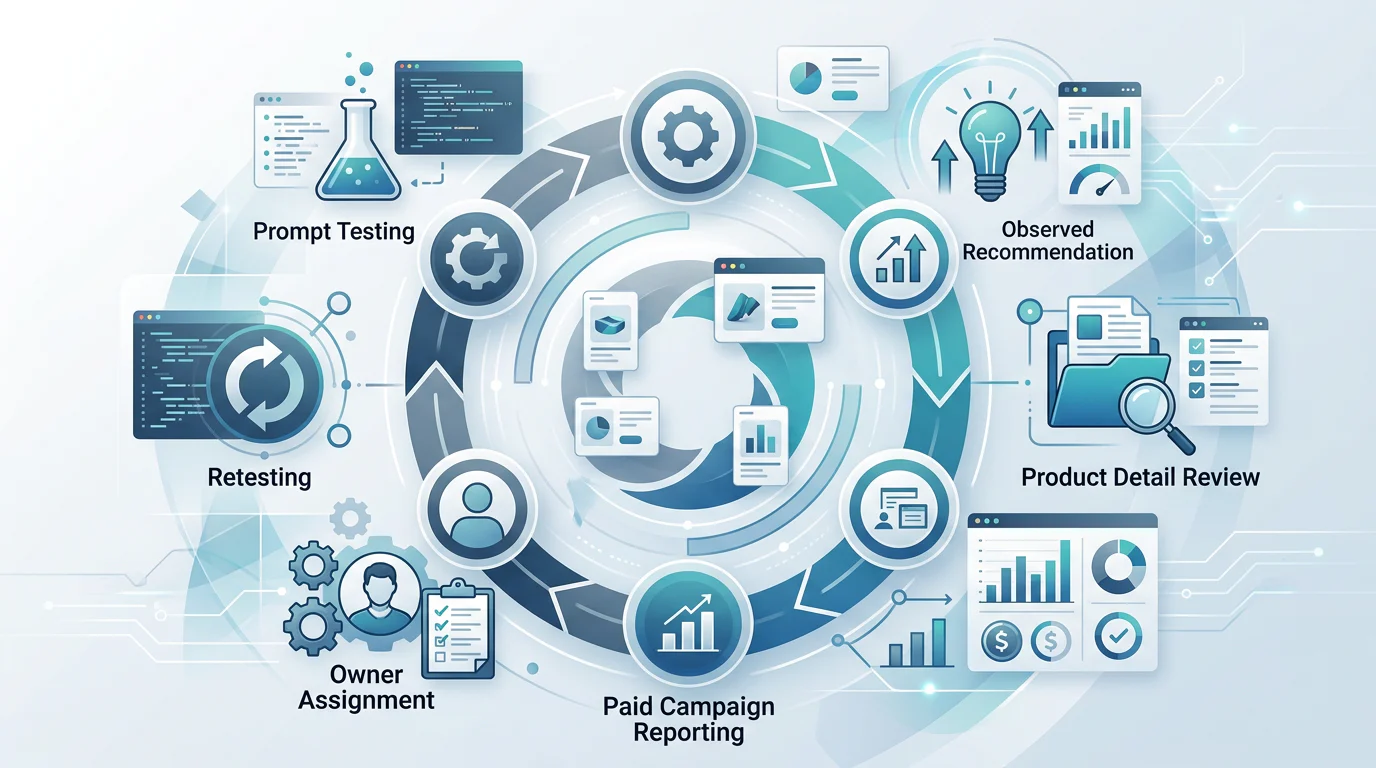
A useful tool should not reduce a changing, question-led shopping journey to one opaque score. We recommend starting with a clear prompt set, tracking the product-level evidence behind each result, and separating paid interactions from observed assistant answers. That approach gives teams something they can audit and act on.
Prompt Coverage, Not One Score
Build a question set around category research, use cases, comparisons, compatibility, budget, and brand-specific needs. For each run, record the prompt, date, surface, region, account state, products named, qualifiers, and follow-up questions.
A practical starting point is 25 priority questions per category, then expanding only when the initial set reveals meaningful variation. We use the same reproducible discipline in How to Monitor Brand Visibility in AI Search, because a result without its testing context is difficult to compare or improve.
Product-Level Evidence
Large catalogues need evidence at the ASIN or SKU level, not only a brand-level percentage. The useful record is whether a product appeared, how it was characterized, what attributes supported the recommendation, and what missing or conflicting information may have affected the response.
That creates an actionable path for commerce and content teams. They can investigate listing details, review themes, customer Q&As, price, availability, and other product facts before retesting. It also avoids a false promise that any platform can reveal an unpublished Amazon ranking formula.
Paid and Observed Results
Amazon’s Sponsored Products and Sponsored Brands prompts became generally available in the United States on March 25, 2026. Amazon says the prompt reports include impressions, clicks, click-through rate, cost per click, spend, sales, ACOS, ROAS, and seven-day orders and units in its Prompts documentation.
| Measurement Lane | What We Record | Decision It Supports |
|---|---|---|
| Observed Assistant Answers | Prompt, context, named products, recommendation language, qualifiers | Product information and content priorities |
| Paid Prompt Reporting | Impressions, clicks, spend, sales, ACOS, ROAS, seven-day orders | Campaign efficiency and budget decisions |
| Product Evidence | Listing details, reviews, Q&As, availability, price changes | Issue ownership and retesting priorities |
Do not blend these lanes into a single “AI visibility” result. Paid prompt performance is first-party advertising data. Assistant-answer observation is a repeatable sample. Both matter, but they answer different questions.
What to Monitor Next
First, monitor the assistant experience itself. A new result format, an added comparison feature, or a changed prompt report can alter what the team needs to capture. Keep a dated change log so that an apparent visibility movement is not mistaken for a product-content effect.
Second, monitor the set of products that can enter the shopping journey. Amazon’s Shop Direct program includes more than 100 million products from over 400,000 merchants, and participating merchants can synchronize catalog, pricing, and inventory data in real time through feeds, according to Amazon’s Shop Direct update. That means an Amazon-only catalogue view may not show every product a shopper can encounter.
Finally, assign every finding to an owner and a next check. Content teams can resolve unclear attributes, commerce teams can validate product data, and media teams can review paid prompt performance. Capture the language around a mention, not merely the mention itself, so teams can understand what changed and why.
Build an Evidence-First Measurement Practice with PageLens.ai
PageLens.ai helps marketing, growth, and SEO leaders turn a shifting AI shopping surface into a documented operating practice. We begin with the questions that matter to your revenue, define the product and brand entities to observe, and keep observed assistant answers separate from paid campaign results. That makes weekly review more useful: teams can see whether a result changed, what information may be missing, and who owns the next check.
We then connect retail evidence to our guide, How Do You Track Brands Across AI Engines?, so teams can understand how buyers encounter their brand beyond one surface. Our method favors auditable runs, clear baselines, and practical next actions over a black-box score. If you need a measurement design that marketing, commerce, and content teams can use together before allocating content or media budget, we will walk through the scope, cadence, and evidence required for confident decisions. Book a demo
FAQs on Amazon Alexa for Shopping AI Visibility
Here are concise, current answers.
Is Rufus Still Amazon’s Shopping Assistant?
No. On May 13, Amazon combined Rufus with Alexa+ into Alexa for Shopping. Use the legacy name only when matching historical searches or reporting terminology.
Can One Score Measure Amazon AI Visibility?
Treat it as an observed outcome, not a fixed rank. Record the question, device, region, account state, products named, qualifiers, and result date for every test run.
Are Sponsored Prompts Organic AI Visibility?
No. Sponsored Prompts are paid campaign enhancements, while assistant-answer observations are a separate sample. Report each lane separately before attributing changes to product content or media.