Nvidia Thinking Machines Investment Talks Raise Visibility Stakes

TL;DR
We find that the Nvidia Thinking Machines investment talks, reported on September 3, 2026, are not a completed deal. The confirmed relationship is a public compute partnership. We explain the distinction, the product and funding context, and the evidence workflow marketing leaders should use before treating any headline as an AI visibility shift.
Nvidia Thinking Machines Investment Talks Raise Visibility Stakes
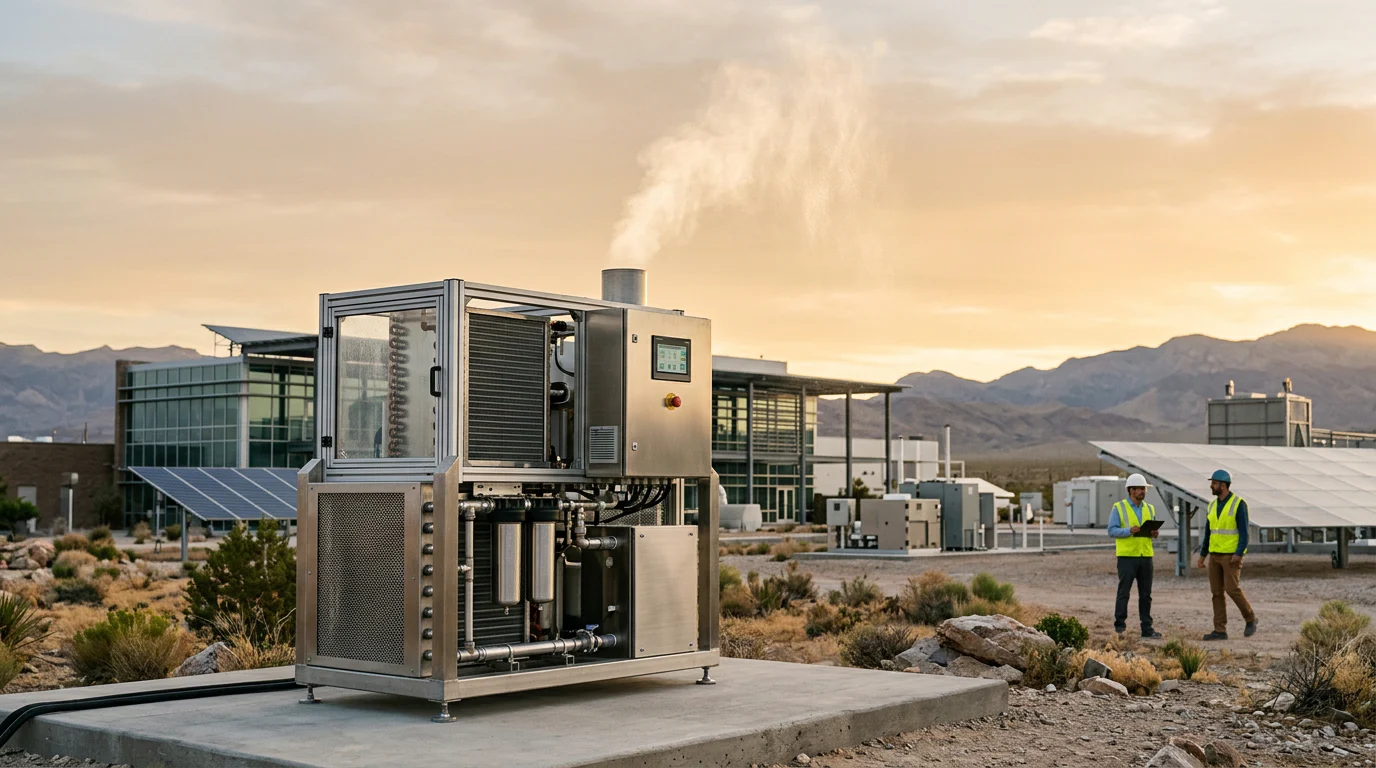
Months before the reported financing discussions, Nvidia and Thinking Machines Lab publicly announced a 1-gigawatt partnership to support frontier-model training and customizable AI at scale.
On September 3, 2026, the Nvidia Thinking Machines investment talks reportedly centered on a roughly $2.5 billion Nvidia check as part of a potential new financing. No completed transaction has been announced. For marketing leaders, the immediate consequence is a reason to monitor new sources and answers, not to assume an automatic visibility gain.
Below, we separate reported deal terms from confirmed facts, explain why the existing compute relationship matters, and set out a practical way to measure whether this news changes the AI answers your buyers see.
What Happened, and What Is Confirmed?
The financing discussion is significant because it would deepen an already public relationship between a major AI infrastructure supplier and a young model developer. It is still important to use precise language: the investment amount, the financing structure, and the valuation remain discussion terms, not announced closing terms.
The reported terms describe Nvidia considering roughly $2.5 billion within a potential $5 billion to $6 billion funding round at a pre-money valuation of at least $40 billion. Neither company has publicly announced a completed transaction, a final ownership stake, or a closing date.
What is confirmed is more concrete. In March, the companies announced a multiyear strategic partnership, including at least one gigawatt of next-generation systems, with deployment targeted for early 2027. Nvidia also said it had made a significant investment, but did not disclose its size.
That distinction is useful for content teams. A reported investment is a news hook. A signed compute partnership, product release, documentation update, or independently visible customer use case is stronger evidence that the information environment around a company may be changing.
Why Nvidia Thinking Machines Investment Talks Matter
These talks are not just another private-market valuation story. They sit at the intersection of capital, scarce compute, open-weight models, and the sources that marketers may later see in AI-generated answers.
Capital and Compute Can Reinforce Each Other
A prospective equity investment would come after a substantial infrastructure commitment. That does not prove that a check is tied to future hardware purchases, and we should not present it that way. It does show that the two companies already have a relationship with operational consequences beyond a conventional financial stake.
For marketing and growth leaders, that means tracking more than funding headlines. Watch for public milestones such as deployment updates, product availability, partner documentation, benchmark disclosures, and enterprise adoption evidence. Those developments can create durable sources that answer engines may encounter when explaining the category.
The Product Context Is Now More Tangible
Thinking Machines released Inkling, its first open-weights model, on July 15, 2026. Its model announcement says the model is available for fine-tuning through Tinker, which shifts the story from founder reputation and fundraising toward a product that developers can test and discuss.
That matters because product evidence produces a broader source trail. Documentation, implementation guides, technical commentary, and credible coverage tend to be more useful to prospective buyers than a valuation alone. They also give content teams clearer facts to reference in timely analysis.
The Valuation Needs Context, Not Hype
The startup raised $2 billion at a $12 billion valuation in July 2025. A reported $40 billion pre-money valuation would therefore be a major increase in little more than a year, but it is not proof of revenue quality, product-market fit, or durable market leadership.
Our editorial approach should remain evidence-first. Explain the scale of the reported transaction, identify what the companies have actually shipped and announced, and leave unconfirmed operating claims out. That makes a news page more dependable when the story changes.
What Marketing Leaders Should Measure Now
Funding news does not automatically change organic rankings, AI citations, or recommendation frequency. The more useful question is whether subsequent product and ecosystem developments change which sources answer engines use and how those engines describe the category.
Establish a Dated Answer Baseline
Start with 10 to 15 prompts that reflect buyer questions, competitor-category questions, and current-event queries. Record the full answer, mentioned brands, cited pages, publication dates, recommendation language, and any material caveats. Our AI citation tracking workflow is designed around preserving that page-level evidence.
A baseline turns a vague impression into a comparison point. Without it, teams often mistake one memorable answer or a single news spike for a durable change in visibility.
Recheck Across More Than One Engine
Run the same prompt set again seven days and 30 days after a verified announcement, model release, or major publication wave. Distinguish a change in one answer engine from a broader shift in source selection.
Focus on source quality as well as mention count. A brand can appear more often while being cited beside outdated, low-authority, or misleading sources. The business value lies in knowing which pages are carrying the narrative and whether your owned content closes an evidence gap.
Update Content Only When the Evidence Supports It
If a repeatable pattern emerges, publish a dated explainer that states confirmed facts, clearly labels analysis, and answers the next buyer question. That may mean updating a product page, strengthening documentation, or commissioning expert commentary instead of publishing another generic news recap.
The goal is not to chase every funding headline. It is to respond when source evidence shows that buyer questions, cited pages, or recommendation language have meaningfully moved.
What to Watch Next
The next meaningful signal is a formal announcement that resolves whether a transaction closed and identifies final terms. Until then, avoid describing the financing as completed or assuming that a reported valuation will remain the final figure.
After that, the strongest indicators will be operational. Watch for confirmation of the planned compute deployment, additional model releases, changes to Tinker documentation, technical evaluations, and credible evidence of how enterprises use the company’s tools. Each can reshape the available evidence more directly than a fundraising discussion.
For your own AI visibility program, assign one owner to archive the current prompt set, one owner to validate any news claim against primary material, and one follow-up date for a documented recheck. Use cross-engine tracking to compare the resulting answers and cited sources across relevant AI systems.
Turn News into Measurement with PageLens.ai
At PageLens.ai, we help marketing, growth, SEO, and content teams turn short-lived AI news into evidence they can act on. Our workflow starts with the prompts that matter to your buyers, captures the answers and cited pages, and preserves a dated baseline before attention shifts. Then your team can compare follow-up runs, identify which publications and owned pages appear, and decide whether a newsroom update, expert commentary, or product documentation deserves investment. That keeps strategic response tied to observable changes, not a funding headline alone. If your team needs a practical measurement workflow around AI visibility, Book a demo
FAQs on Nvidia Thinking Machines Investment Talks
Is the Investment Confirmed?
No. Public information describes ongoing discussions. Neither company has announced a completed transaction, final round size, ownership stake, or closing date as of September 6, 2026.
Which Part Is Confirmed?
On March 10, the companies publicly announced a multiyear partnership, including a plan to deploy at least one gigawatt of next-generation systems, with deployment targeted for early 2027.
Should Teams Change Content Plans Today?
Not automatically. Capture dated answers, track cited sources and recommendation language, then update content only when repeatable evidence shows that questions, sources, or recommendations have changed.