.png)
Higgsfield Funding: What Ventureburn's Reported $400M AI Visual-Creation Raise Means for Enterprise Content Production

TL;DR
We found that Higgsfield's confirmed January 15, 2026 financing was an $80M Series A extension that took total Series A funding above $130M, not a verified $400M raise. We explain the later fundraising reports, then show enterprise content leaders how to evaluate AI visual production through governance, provenance, and measurable visibility.
Higgsfield Funding: What Ventureburn's Reported $400M AI Visual-Creation Raise Means for Enterprise Content Production
Enterprise AI content production is moving from isolated experiments toward repeatable operating systems. In OpenAI’s report, 85% of surveyed marketing and product users said AI improved campaign execution speed.
The documented Higgsfield funding event was an $80M Series A extension announced January 15, 2026, taking total Series A financing above $130M. A later report described potential $300M to $500M talks, not a closed $400M round. For enterprise AI content production, the useful change is faster experimentation coupled with stricter governance and measurement.
What Actually Happened with Higgsfield Funding
The supplied Ventureburn headline says Higgsfield raised $400M to scale AI visual creation. Our review separates that claim from the funding events that are confirmed in company and reputable news reporting, so marketing leaders can use the story without carrying an unverified figure into planning or procurement.
What the Supplied Headline Claims
The headline frames the event as a completed $400M raise intended to expand AI visual creation. We would not describe that figure as confirmed without a company announcement or independent reporting that identifies a completed transaction, its investors, and its terms.
The Confirmed January Financing
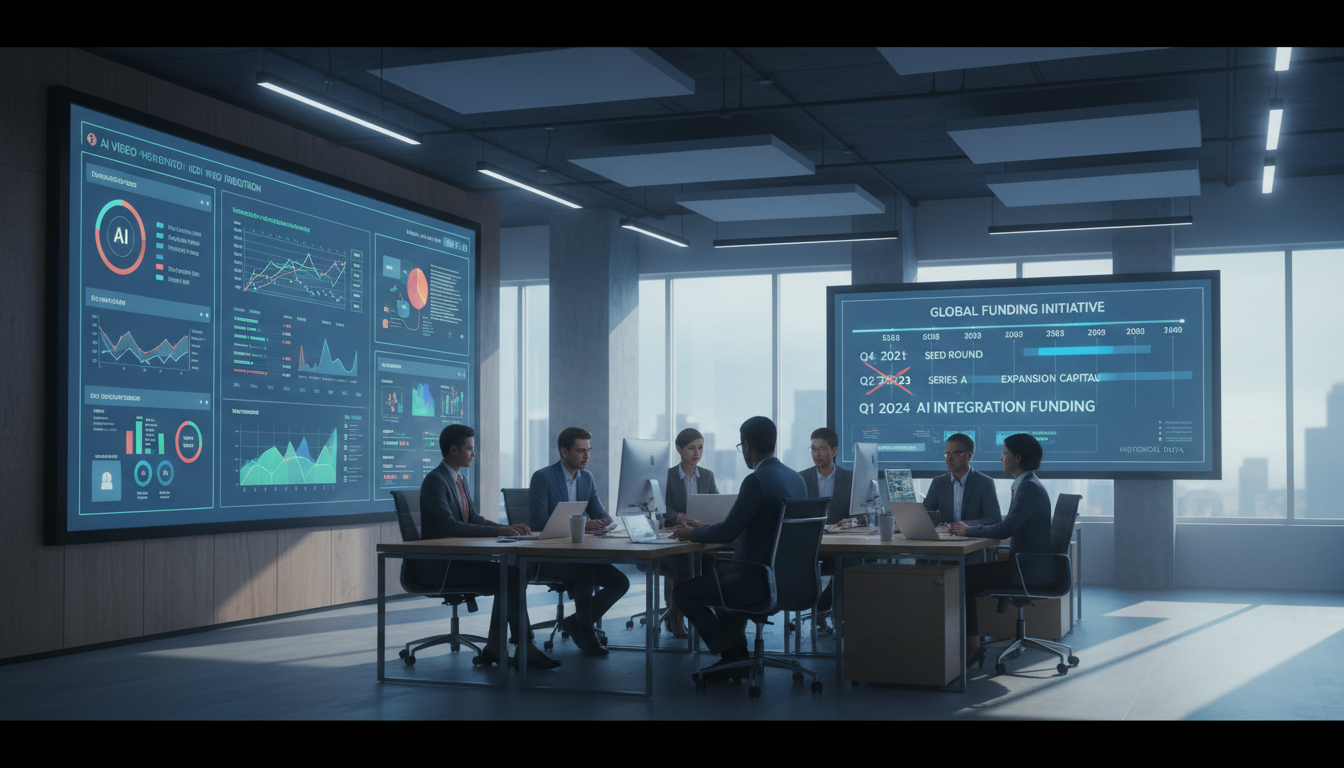
Higgsfield announced an $80M Series A extension on January 15, 2026. Its company announcement said the extension took total Series A funding above $130M and valued the company above $1.3B.
Independent Reuters coverage confirmed the $80M extension. It also drew an important distinction: the company’s $200M annualized run-rate figure was a projection, not recognized revenue.
The Later Fundraising Reports
In June 2026, June reporting described Higgsfield as discussing a possible $300M to $500M round at a proposed $5B pre-money valuation. Discussions can change, fail, or close on different terms, so this is evidence of investor interest rather than evidence of a completed $400M raise.
| Reported Item | Relevant Date | Verification Status | Safe Description |
|---|---|---|---|
| $400M raise in the supplied headline | August 17, 2026 | Not independently confirmed | A reported claim requiring confirmation |
| $80M Series A extension | January 15, 2026 | Confirmed | The completed financing event |
| More than $130M total Series A | January 15, 2026 | Confirmed by company announcement | Total disclosed Series A financing |
| $300M to $500M potential round | June 2026 | Reported talks | Possible financing, not a closed deal |
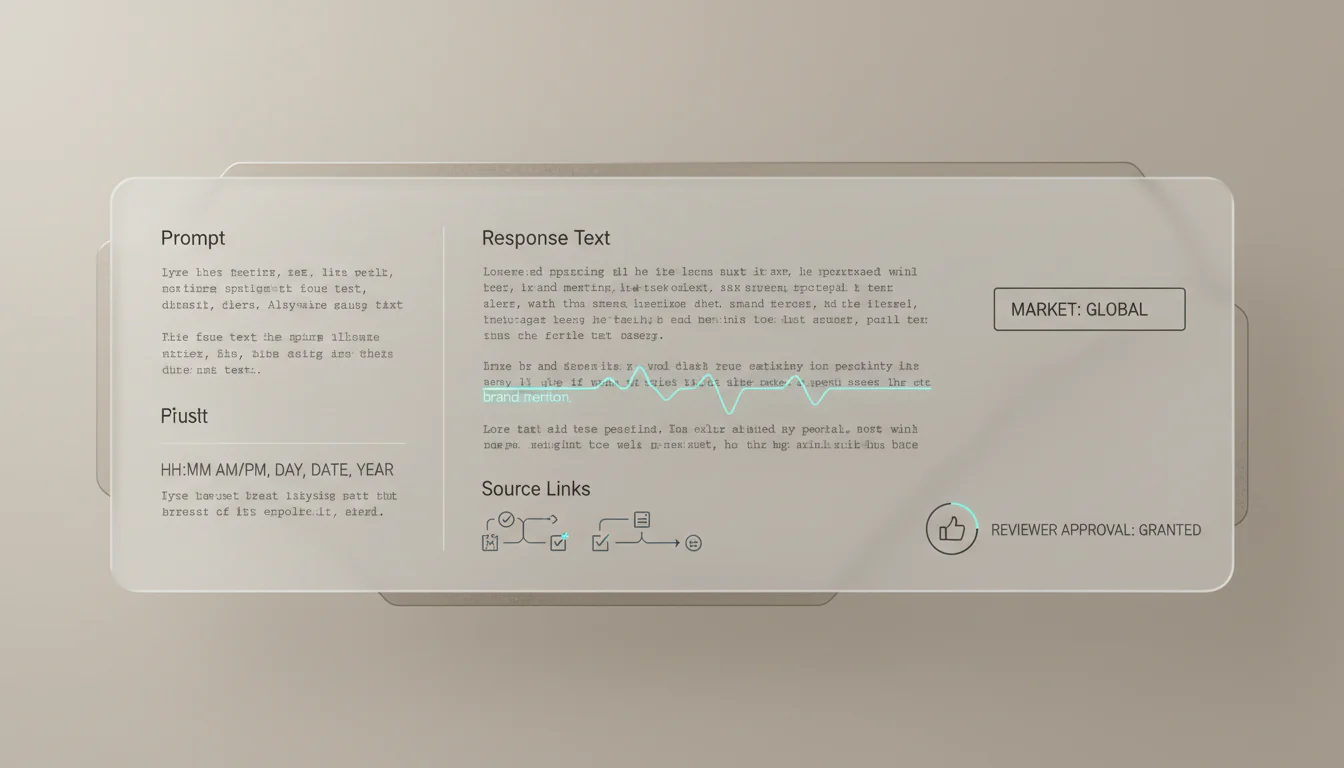
For search and content leaders, citation context matters here because a claim needs a traceable source, a date, and language that reflects its actual verification status.
Why This Matters for Marketing and SEO Leaders
Funding news matters because it can accelerate product development, hiring, infrastructure, and enterprise sales. It does not, by itself, prove that a visual-generation workflow is safe, brand-consistent, rights-cleared, or effective for a specific campaign.
The broader market signal is real. The Adobe survey found that 64% of organizations with proven generative-AI ROI cited faster content production and higher productivity as a significant benefit. That makes disciplined adoption more urgent, not less necessary.
For our audience, the decision is not whether a funding headline is impressive. It is whether a new capability solves a defined production constraint, such as localized variants, paid-social testing, or faster creative iteration. Start with prompt research so the content system is designed around demand rather than novelty.
A useful program then connects its workflow to audience intent, campaign evidence, and a clear approval process. This avoids treating more outputs as proof of better content, especially when multiple teams need to reuse the same assets across markets and channels.
What Higgsfield Funding Means for Enterprise AI Content Production
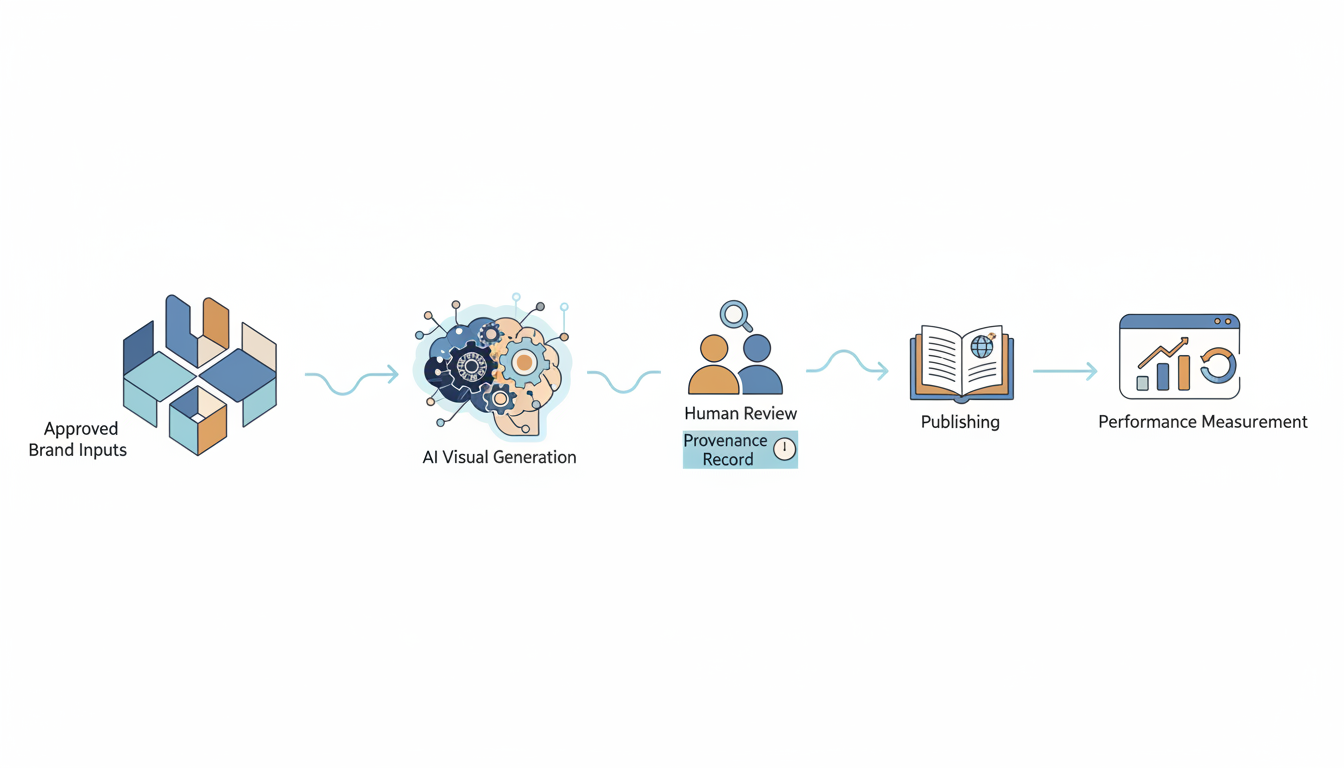
The strongest implication is that AI visual workflows will be easier to test and more visible in enterprise buying conversations. A reliable rollout still depends on the process surrounding generation: approved inputs, accountable reviews, rights controls, and performance evidence.
Set a Narrow Production Boundary
Choose one repeatable output with a known baseline, such as short paid-social variants or product-demo cutdowns. Define the audience, claim set, channels, owner, turnaround target, and review standard before testing volume.
- Asset Inputs: Use approved product facts, visual references, and campaign claims.
- Review Gate: Assign a named human owner before publishing.
- Rights Record: Keep source, talent, music, and licensing evidence with each approved asset.
- Release Rule: Prevent unreviewed assets from entering paid or public channels.
Before expanding volume, test whether the selected format answers a meaningful audience need instead of merely showcasing a new capability. Review the content against AI buyer prompts to identify where the asset, landing page, and campaign claim should reinforce one another.
Preserve Human Authorship and Provenance
The Copyright Office says copyright protection for generative-AI outputs depends on sufficient human authorship, while prompts alone generally do not establish that authorship. Teams should retain evidence of human creative selection, arrangement, editing, and approval.
Content provenance can make that record more useful across teams. The C2PA specification supports cryptographically verifiable asset history and includes a machine-readable AI-disclosure assertion. Provenance does not prove quality or legal clearance, but it can preserve important context when content moves between agencies, channels, and systems.
When content is reused across markets, retain the source files, approval history, and any required disclosures alongside the final asset. That audit trail gives stakeholders a practical way to investigate mistakes or update claims without reconstructing the entire production process. Use multi-engine tracking to see whether core brand information remains consistent across answer engines.
Measure the Search and Visibility Effect
A visual asset does not work in isolation. Its surrounding landing page, product claims, structured facts, and editorial context influence whether buyers and answer engines understand what the campaign is about.
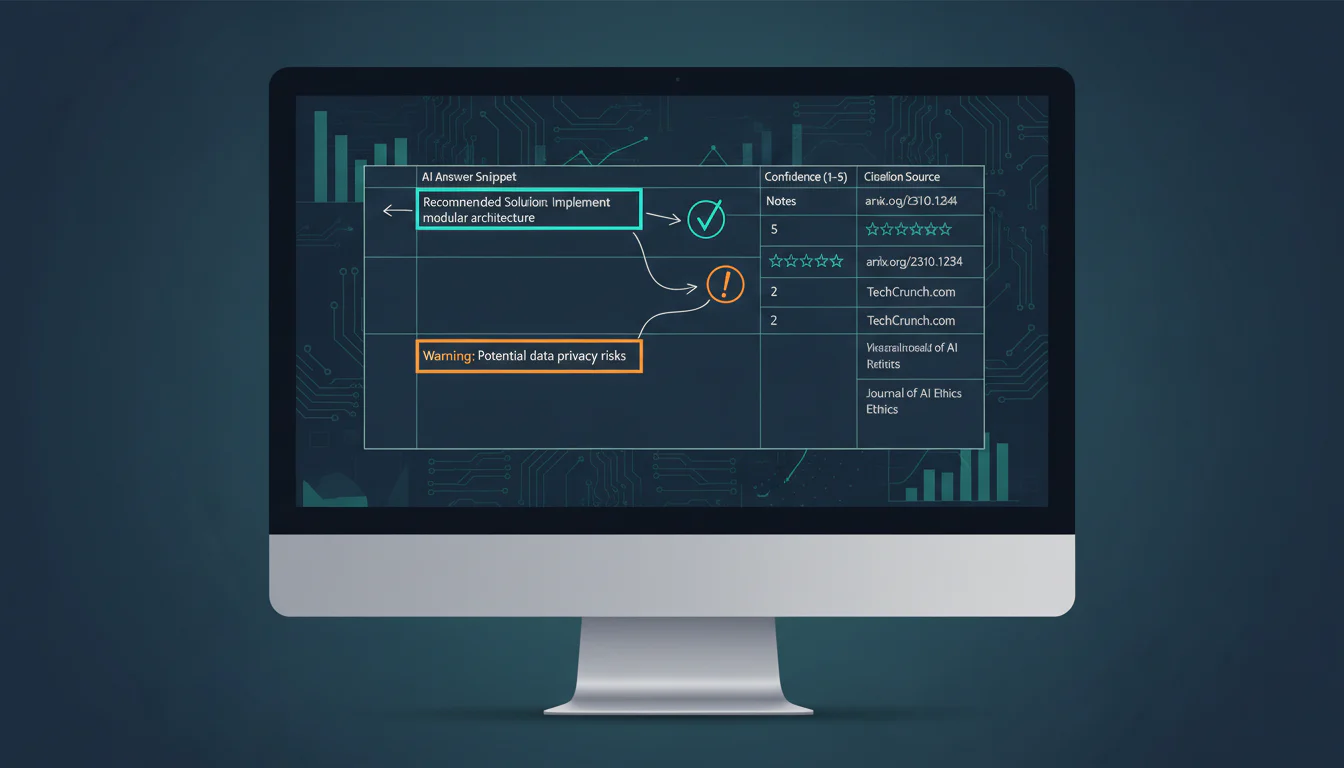
Track the phrasing answer engines use when they recommend, qualify, or exclude a brand in the category. That helps teams distinguish a citation from an accurate, useful recommendation that supports the campaign's actual message.
How to Measure a Responsible Rollout
A pilot should answer two questions at once: did the workflow improve production, and did the released content improve the business outcome it was meant to influence? Comparing a before-and-after baseline prevents speed alone from becoming the definition of success.
Use AI visibility measurement alongside campaign reporting. That reveals whether supporting pages are cited accurately when buyers ask relevant questions, rather than only whether an asset accumulated impressions.
| Metric | Baseline To Capture | Pilot Signal To Review |
|---|---|---|
| Approval Rate | Share of assets approved before AI workflow use | Whether speed increases without more rejected assets |
| Cycle Time | Brief-to-approved-asset duration | Time saved through generation and review |
| Revision Load | Average revisions per approved asset | Whether brand consistency improves or declines |
| Cost Per Approved Asset | Production spend divided by approved outputs | Whether savings survive review and licensing work |
| Content Outcome | Channel engagement or conversion metric | Whether faster output creates useful campaign performance |
For larger programs, create a monthly review that compares campaign performance with the exact sources and sentences answer engines surface. Include channel owners, content reviewers, and SEO stakeholders, then document which evidence supports a change to a page, claim, or asset. This makes a single response easier to investigate and prevents one unusual output from setting policy for the entire program.
Track recommendation language once the review is established. That gives teams evidence they can use to assess whether an answer merely names the brand or accurately represents the content and claims behind a campaign.
How PageLens.ai Turns News into Measurable Action
At PageLens.ai, we help marketing, growth, SEO, and content leaders turn fast-moving AI news into a measurable visibility program. Our work starts with the questions buyers ask, the sources answer engines cite, and the language those answers use when they describe a category or brand. We then help teams compare those observations with the approved claims and landing pages behind a campaign, so content production does not outrun evidence. That is particularly useful when a financing headline makes a technology category feel urgent: teams can see whether new pages earn relevant citations, whether recommendations remain accurate, and where editorial updates are needed. We built our workflow around repeatable checks rather than an opaque score, with prompt-level evidence that stakeholders can review across search and AI answer engines, without treating visibility as a substitute for editorial judgment. Read our methodology, then Book a demo
FAQs on Higgsfield Funding
Did Higgsfield Raise $400M?
No reviewed primary announcement or reputable report confirms a completed $400M Higgsfield round. The January transaction was an $80M extension, and later coverage described fundraising talks.
What Is the Confirmed Higgsfield Funding Event Date?
January 15, 2026, is the confirmed event date. Higgsfield announced an $80M Series A extension, taking its disclosed Series A total above $130M at that time.
What Does This Mean for Enterprise Content Teams?
The news signals faster product development and greater market attention, not automatic enterprise readiness. Teams still need approved inputs, human review, rights controls, and outcome measurement.
Which Metrics Should a Pilot Track?
Track approved assets per week, cycle time, revisions, cost per approved asset, rights or review incidents, reuse, and channel outcomes before expanding a pilot across teams.