.png)
Google Adds AI Search Visibility Reporting as Recommendations Reshape Search


TL;DR
Google’s June 2026 Search Console rollout makes AI search visibility reporting more measurable, but impressions alone cannot show whether a brand is recommended or accurately described. We explain what changed, why conversational discovery changes search engine optimisation, and how we pair first-party reports with prompt, citation, and content evidence.
Google Adds AI Search Visibility Reporting as Recommendations Reshape Search
Google says AI Mode has surpassed 1 billion users each month, making conversational discovery a material search surface for marketing and SEO teams.
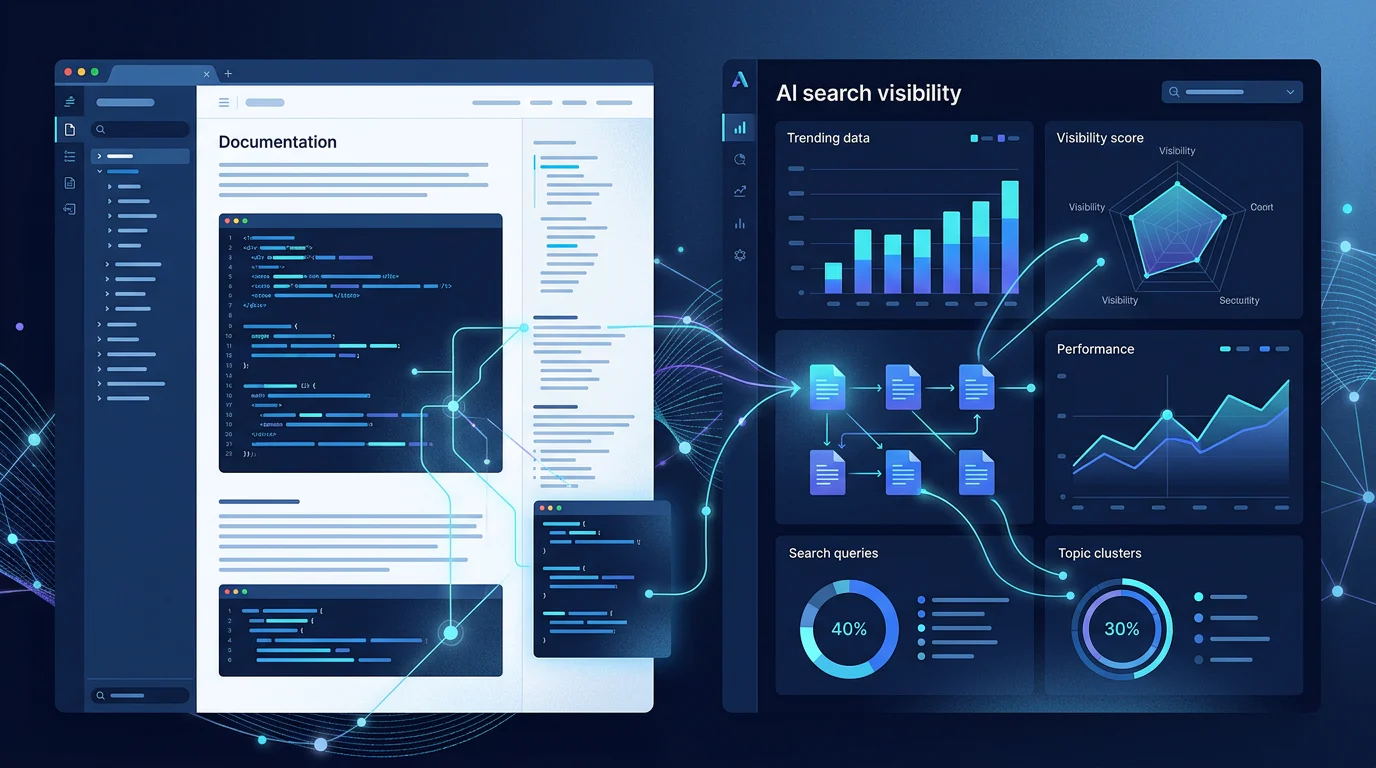
On June 3, 2026, Google began rolling out dedicated Search Console reports for impressions in AI Overviews, AI Mode, and generative Discover features. This AI search visibility reporting makes Google-side exposure easier to measure, while AI product recommendations make accurate, current brand information more consequential.
We will cover what the reporting change captures, where conventional search engine optimisation still matters, and how to build a workflow that measures recommendation visibility rather than guessing at it.
Google Has Started Separating AI Search Visibility
Google’s new report is not a new ranking system. It is a reporting change that gives eligible site owners dedicated views of impressions from generative AI features in Search and Discover. The rollout began with a subset of sites, while the underlying data remains part of overall Search Console performance reporting, according to Google’s report.
That distinction matters. An impression tells a team that its site was shown in a Google AI experience. It does not establish that the brand was named, positively described, or selected in a recommendation. Those are different visibility questions, and they require prompt-level evidence alongside first-party search data.
For marketing leaders, the practical consequence is simple: AI visibility can now enter the regular search reporting cadence. It should be reviewed with organic impressions, qualified traffic, conversion performance, and the content changes that may explain movement. Our website-fix methodology focuses on making that prioritization visible to content, growth, and technical teams.
Recommendations Change What Brand Visibility Means
A search result once sent a user to a set of pages for comparison. An AI response can now synthesize specifications, reviews, pricing signals, and brand claims before a visitor reaches a company site. That makes the accuracy and availability of source material part of the discovery experience.
Longer Questions Create More Specific Tests
Google reports that AI Mode queries are roughly three times longer than traditional searches. Longer prompts often include constraints such as budget, use case, location, feature requirements, or tradeoffs. A brand can be visible for a broad category query and still be absent when a buyer asks a more useful, constrained question.
Product Data Now Shapes Discovery More Directly
In March 2026, OpenAI expanded ChatGPT product discovery with visual browsing, comparisons, and product-feed support through its commerce protocol. Its product update confirms that richer, current merchant information can help products appear more completely in relevant conversations.
Visibility and Recommendation Are Different Metrics
A cited page can support an answer without the model recommending its brand. A brand can also be mentioned with inaccurate language or be excluded from a shortlist despite strong traditional rankings. We therefore separate presence, citation, recommendation language, and factual accuracy when auditing AI answers.
For a structured starting point, use an AI brand recommendation audit to test whether assistants recommend the brand, merely summarize it, or omit it entirely.
Search Engine Optimisation Still Sets Eligibility
AI visibility does not replace search engine optimisation. Google says pages must still be crawlable, indexed, eligible for snippets, useful to people, and technically sound. Its AI guidance also states there is no special AI-only schema or text file required for inclusion.
That removes a common distraction. Teams should not chase a cosmetic GEO shortcut while core pages are difficult to crawl, product details conflict across pages, or important answers appear only in images and scripts. Structured data must match visible content, internal links must surface priority pages, and business information should remain current.
The opportunity is broader than technical eligibility, however. AI systems can evaluate multiple sources and subtopics while answering a complex question. Strong SEO makes content eligible to be found. Clear evidence across the brand’s owned information helps an assistant explain, cite, and potentially recommend it with fewer gaps.
How We Use AI Search Visibility Reporting
At PageLens.ai, we treat the new reports as one input in a repeatable measurement loop, not as a standalone score. The goal is to connect observed AI visibility to the exact buyer questions, source material, and website improvements that can change the next result.
Build a Fixed Prompt Set
Start with the questions closest to commercial decisions: category discovery, product comparisons, constraint-based recommendations, alternatives, and purchase-readiness. Keep prompt wording and test conditions stable enough to compare results over time.
Our multi-engine tracking method helps teams record the same high-intent prompts across relevant AI surfaces instead of drawing conclusions from a single answer.
Capture the Evidence Behind Each Answer
For every result, log whether the brand appears, the language used to describe it, linked or cited sources, omitted facts, and competing choices. This creates a baseline that distinguishes a temporary answer variation from a recurring content or entity gap.
Prioritize Fixes by Buyer Impact
Fix factual gaps before creating more generic content. A missing comparison, inconsistent specification, stale availability statement, or unclear policy can matter more than another broad awareness article. Then link the work to the prompt group where the gap appeared and retest after meaningful updates.
What Teams Should Monitor Next
Watch for broader availability of Google’s dedicated AI reports, but do not wait for a universal rollout to establish a baseline. Monitor AI-feature impressions where available, then pair them with recurring prompt checks, cited sources, recommendation language, and on-site outcomes. Use AI citation tracking to identify whether the sources shaping an answer are owned pages, third-party references, outdated listings, or pages that no longer reflect the current offer.
For commerce teams, data freshness deserves special attention. ChatGPT says its shopping experiences can use structured first-party and third-party product information, while product prices and availability may change after results are generated. Its shopping documentation recommends that merchants use direct feeds when available to keep information current.
The strategic shift is not that SEO has ended. It is that visibility can now be evaluated at two levels: whether a page is eligible to appear, and whether the available evidence helps an AI system give a buyer a complete, accurate recommendation.
Turn AI Visibility into a Measurable Workflow with PageLens.ai
PageLens.ai helps marketing, growth, and SEO teams turn this reporting shift into a repeatable operating loop. We start with the buyer prompts that matter, capture how AI systems mention and describe your brand, identify the sources shaping those answers, and connect gaps to specific pages that need work. That gives teams a defensible baseline before they react to a one-week change in impressions or a single polished answer. If your Search Console view is available now, we can help you pair it with prompt and citation evidence so priorities are clear across content, technical SEO, and product data. Book a demo with PageLens.ai.
FAQs on AI Search Visibility Reporting
What Does AI Search Visibility Reporting Measure?
Google’s reports show impressions in generative Search features. To assess recommendation visibility, teams should also record prompt outputs, cited sources, brand language, qualified visits, and conversions.
Does Search Engine Optimisation Still Matter for AI Search?
Yes. AI experiences still depend on crawlable, indexed pages with helpful text, accurate visible information and markup, sound internal links, and current business or product details.
What Should Teams Track Beyond AI Impressions?
Begin with prompts tied to revenue and risk, then track presence, cited sources, recommendation language changes, and on-site outcomes on a fixed monthly schedule over time.