

TL;DR
At PageLens.ai, we examine Nio’s reported August 24, 2026 plan to invest in an independent physical-AI startup founded by smart-driving leader Shaoqing Ren. The arrangement connects Nio to robotics research, but no stake, investment amount, product plan, or profit-and-loss effect has been disclosed. We explain the evidence, the implications, and the signals content teams should monitor.
Nio Robotics Startup Investment Raises Execution Questions
Physical AI is becoming a higher-stakes startup-news category as automotive companies look beyond the vehicle. Nio reported 107,658 second-quarter deliveries on September 1, giving the company a substantial operating business against which any adjacent AI investment will be judged.
On August 24, 2026, Nio announced internally that it plans to make a strategic investment in an independent physical-AI and embodied-intelligence company founded by smart-driving leader Shaoqing Ren, who will retain his Nio role. The arrangement creates a robotics collaboration path, while investment terms and joint projects remain undisclosed.
We examine what the Nio robotics startup investment confirms, what it does not establish, and how marketing and content teams can keep fast-moving AI answers anchored to evidence.
What Happened on August 24
The reported arrangement joins three distinct facts: an independent company focused on physical-AI foundation models and embodied intelligence, a planned strategic investment by Nio, and Ren’s continued leadership of Nio’s smart-driving operation. Independent reporting also indicates that the companies intend to collaborate.
That distinction matters. This is not a disclosed acquisition, robotics product launch, or financial forecast. The new company’s name, Nio’s ownership stake, investment amount, valuation, specific collaboration projects, and delivery timeline have not been publicly identified. Treating any of those unknowns as settled fact would make a startup-news update less accurate, not more useful.
What the Nio Robotics Startup Investment Changes
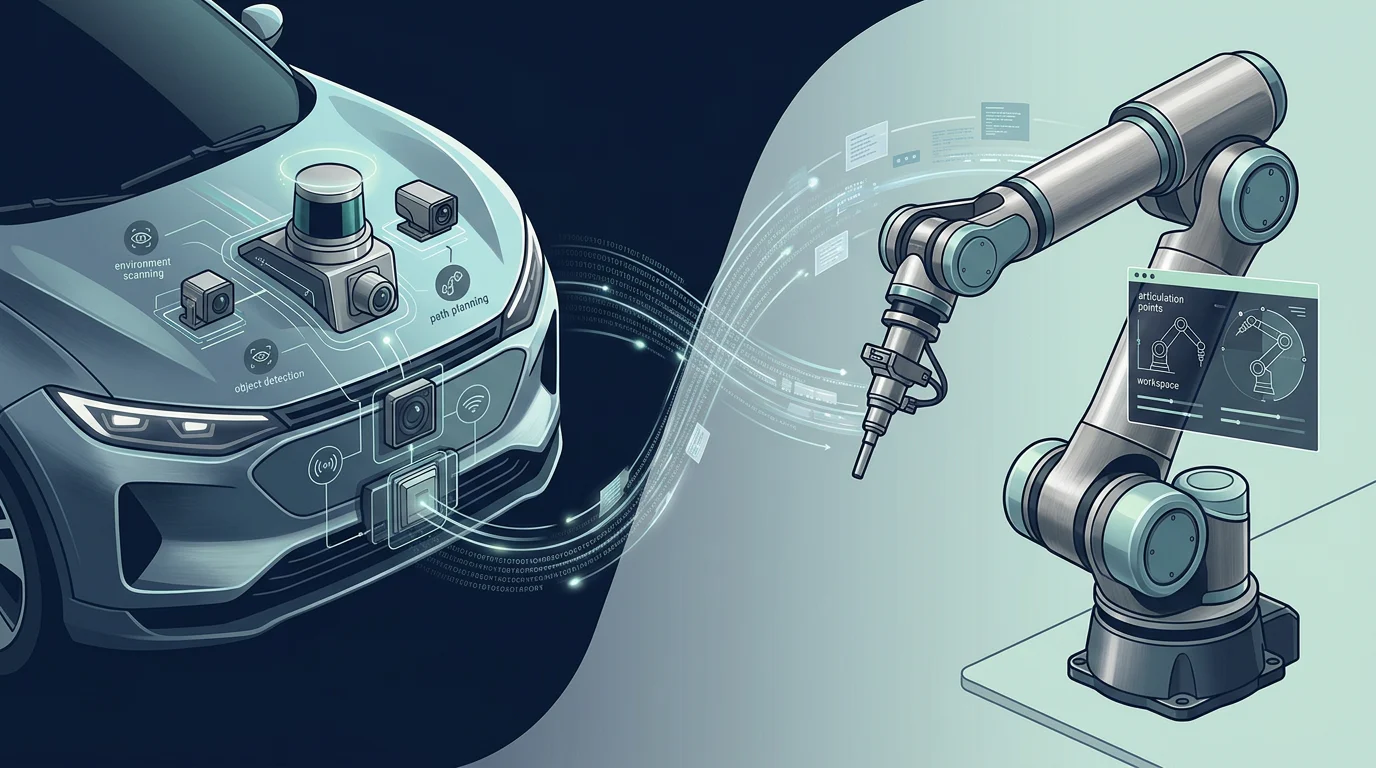
The Nio robotics startup investment matters because advanced driving and embodied AI can use overlapping technical capabilities. Both fields rely on perception, training data, simulation, decision systems, and feedback loops from real-world operation. Nio’s annual filing describes in-house intelligent-driving work across hardware, algorithms, and closed-loop training data.

Shared Technical Inputs Do Not Mean Shared Products
A driving stack learns how to understand roads, vehicles, and changing environments. A robotics system must also perceive and act, but it must do so in different physical settings with different safety, hardware, and deployment requirements. The overlap makes collaboration plausible, yet it does not prove that Nio will sell robots or combine the new company’s work into a vehicle program.
The Structure Creates an Adjacent Research Option
Strategic investment and collaboration can give an operating company access to talent, research exchange, or future commercial opportunities without turning every research initiative into an internal division. That is the practical consequence here: Nio gains a direct connection to physical AI while retaining its existing smart-driving leadership structure.
For content teams, the useful language is specific. Say that Nio plans to invest and collaborate. Do not compress the story into unsupported claims that it has launched a robotics division, built a robot, or shifted its core business away from electric vehicles.
The Financial Readthrough Remains Unknown
The idea that the investment avoids a profit-and-loss impact is not a confirmed outcome. Without a disclosed stake, price, accounting treatment, or ongoing commitment, readers cannot calculate a financial effect. Nio’s latest quarterly results give useful business context, but they do not disclose the terms of this reported arrangement.
That is why a strong news page should preserve the uncertainty once, clearly, then move on to the evidence that would resolve it. Our AI citation tracking guidance follows the same principle: track the source and wording behind a claim before treating it as an established answer.
The Claims Content Teams Need to Keep Separate
Fast startup news often creates entity confusion. AI answers may blend a founder, their employer, a new venture, and a possible future product into one simplified statement. For this story, precise entity language is the difference between a useful explainer and an unreliable recap.
Separate the Founder, Investor, and Company
Ren remains Nio’s smart-driving leader, while the reported new company is independent. Nio is the planned strategic investor and collaborator, not the announced owner of a new internal robotics unit. Those distinctions should appear in headlines, summaries, structured data, and social copy.
Avoid Turning Context into Proof
The physical-AI market is attracting serious capital and attention. AP reporting noted that Unitree raised about RMB6.1 billion in its 2026 listing and cited an estimate of roughly 15,000 global humanoid-robot shipments in 2025. That context explains why the news matters, but it does not predict the scale or outcome of Nio’s separate arrangement.
Build a Dated Claim Record
A simple claim record should capture the date, exact statement, source URL, entity named, and whether the statement is confirmed or inferred. That makes it easier to find when AI answers introduce a product, investment figure, or corporate relationship that no source actually supports.
We recommend a recurring recommendation audit for high-priority news prompts. It reveals whether answers preserve the relationship accurately and whether they cite the page that supplies the clearest evidence.
What to Monitor Next
The next update should be triggered by evidence, not by speculation. Watch for the startup’s legal or public name, the size and structure of Nio’s investment, named research or product collaborations, official demonstrations, and any later Nio financial disclosure that clarifies accounting or governance.
Content leaders should also monitor how AI engines phrase the story over time. Test a fixed set of prompts such as “Nio robotics startup,” “Nio physical AI investment,” and “who founded Nio’s embodied AI partner.” Save the full response, cited pages, date, and region. This turns a one-time news check into cross-engine tracking that can detect when a correct answer drifts.
The immediate consequence is clear: Nio now has a reported strategic link to an independent physical-AI venture led by its smart-driving chief. The commercial consequence remains open until the companies publish more evidence.
Measure the New Entity Signals with PageLens.ai
News stories like this become visibility problems when AI answers merge a founder, company, investor, and product into one unsupported claim. At PageLens.ai, we help marketing and content teams run a repeatable evidence workflow: define the entities in scope, test priority prompts across AI engines, save cited URLs and exact language, then flag changes after credible reporting or filings appear. For this story, track whether answers separate the reported investment from an announced product, preserve Ren’s continuing role, and cite current evidence. Use our process to turn a fast news cycle into an auditable content decision. Book a demo
FAQs on Nio Robotics Startup Investment
What Is the Confirmed Nio Robotics Startup Investment?
Nio plans a strategic investment and collaboration with Ren’s independent physical-AI company. Ren remains Nio’s smart-driving leader. Neither an investment amount nor ownership stake is public.
Does It Change Nio’s Profit and Loss?
No financial effect is confirmed. Without a disclosed stake, price, accounting treatment, or continuing commitment, the arrangement cannot be classified as positive or negative for profit.
What Should Content Teams Monitor Next?
Monitor the startup name, financing terms, collaboration scope, official releases, and later filings. Keep a dated claim log to compare AI answers with current evidence.