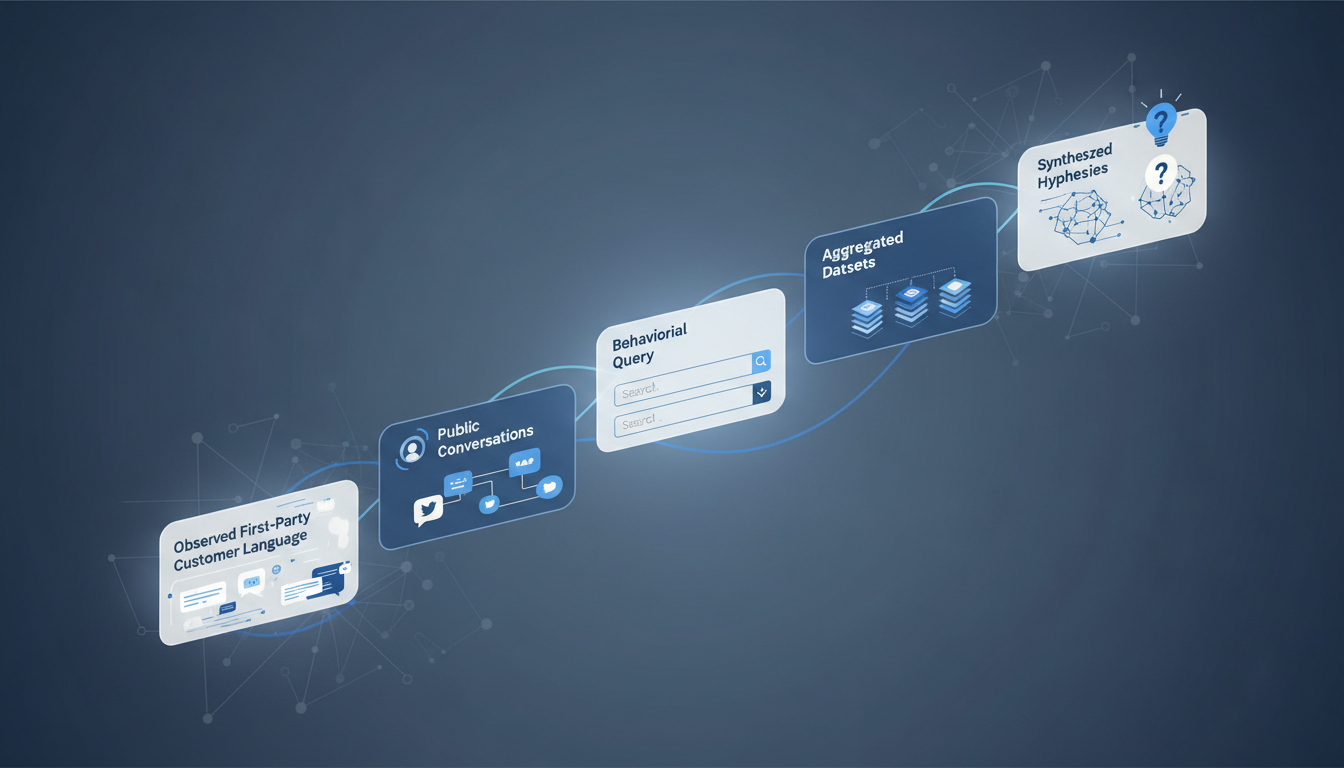
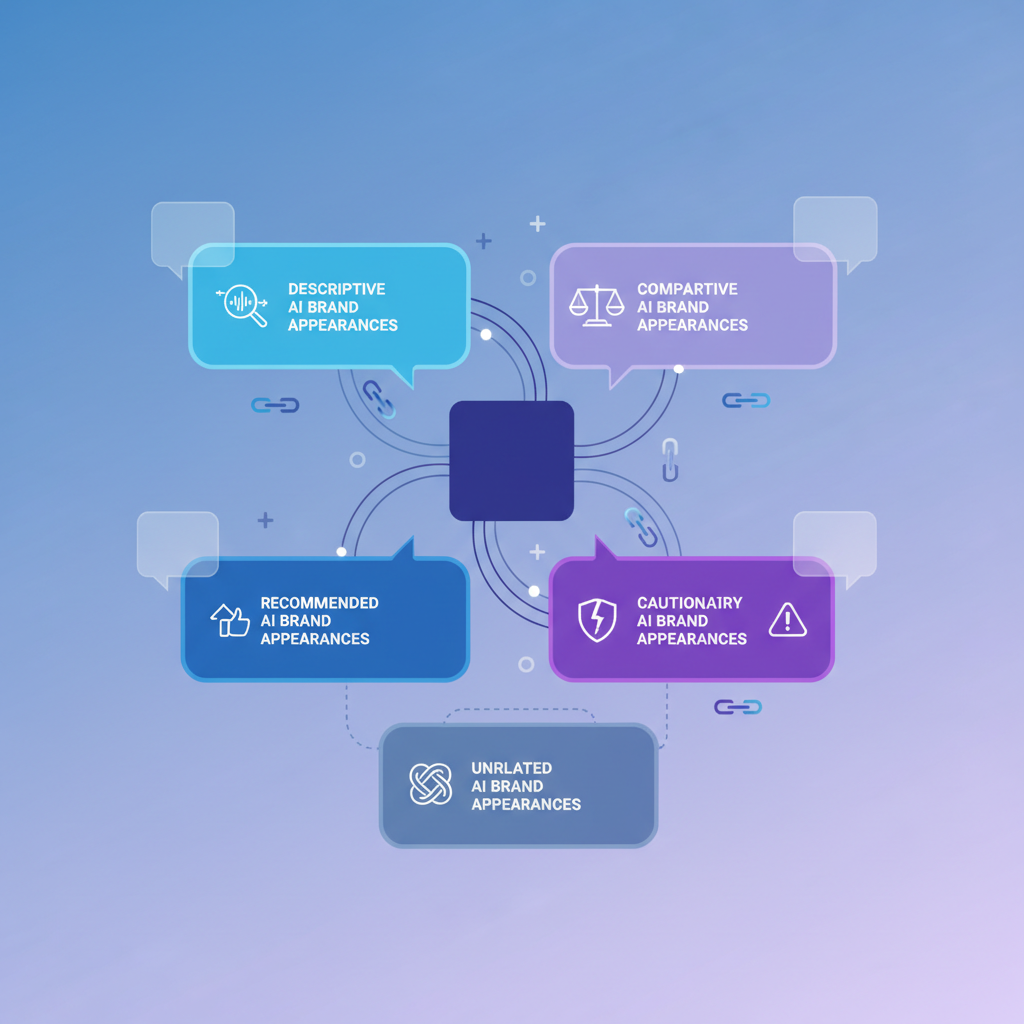
.png)


TL;DR
The best ChatGPT visibility tracker depends on how many sites or clients must stay separate. A single-site team needs prompt monitoring, brand mentions, citations, competitors, and daily history; an agency also needs reusable templates, isolated workspaces, permissions, branded reporting, bulk actions, and portfolio alerts, so compare total cost at the real site count. We show what to measure and how to test a platform before migrating.
Which ChatGPT Visibility Tracker Fits Your Portfolio?
AI answers are now a meaningful discovery surface: in a 2025 Pew survey, 34% of U.S. adults said they had used ChatGPT. That makes repeatable visibility measurement more useful than occasional manual checks.
The best ChatGPT visibility tracker depends on how many sites or clients must stay separate. A single-site team needs prompt monitoring, brand mentions, citations, competitors, and daily history. An agency also needs reusable templates, isolated workspaces, permissions, branded reporting, bulk actions, and portfolio alerts, so total cost must be compared at the real site count.
We will show what to measure, which capabilities matter at each portfolio size, how prompt use multiplies, and how to test a platform before moving client reporting into it.
What Does a ChatGPT Visibility Tracker Measure?
A conventional rank tracker records where a page appears in a search result. A ChatGPT visibility tracker records what an answer actually says after a buyer asks a prompt: whether the brand appears, whether it is recommended, which alternatives appear, and which sources are cited.
That distinction matters because ChatGPT Search can present inline citations and a Sources panel for web-backed answers. A useful platform should preserve the underlying prompt, answer, source URLs, date, engine, and location context, rather than reduce everything to an unexplained score. Read more about AI visibility metrics.
For each monitored prompt, we recommend retaining five pieces of evidence: the exact query, the unedited response, the brands named, the cited domains, and the timestamp. That gives a marketing team something it can audit, explain, and compare over time.
What Changes from One Site to Eight Clients?
Portfolio size changes the job. A startup needs a clear baseline for one domain. An agency needs to prove that Client A’s prompts, competitors, reports, and data cannot be confused with Client B’s.
The comparison below uses published PageLens.ai information where available. When a capability is not publicly specified, we label it honestly instead of inferring it from a dashboard screenshot or a sales claim. Our current plan details are available on our pricing.
| Workflow | Sites | Client Workspaces | Prompts | Competitors | Refresh | History | Citations | Exports | Alerts | Engines | Seats | Pricing Model |
|---|---|---|---|---|---|---|---|---|---|---|---|---|
| Manual checks | Variable | Separate files | Manually selected | Manual review | Manual | Spreadsheet only | Manual capture | Spreadsheet | None | ChatGPT chosen by user | Team-controlled | Tool cost plus labor |
| PageLens.ai Monitor | 1 | Single-site dashboard | 50 | Plan inclusion not stated | Daily | Retention not published | Source tracking available on platform | Not published | Not published | ChatGPT | Not published | $49 per month |
| PageLens.ai Optimize | 1 | Single-site dashboard | 100 | Competitor tracking | Daily | Retention not published | Source tracking available on platform | Not published | Not published | ChatGPT, Google AI, Perplexity | Not published | $199 per month |
| PageLens.ai Agency | Unlimited client sites | Multi-client reporting | Quote-specific | Confirm during evaluation | Confirm during evaluation | Confirm during evaluation | Citation tracking described in agency materials | Reporting available | Confirm during evaluation | ChatGPT, Google AI Overviews, Perplexity | Not published | Quote-based |
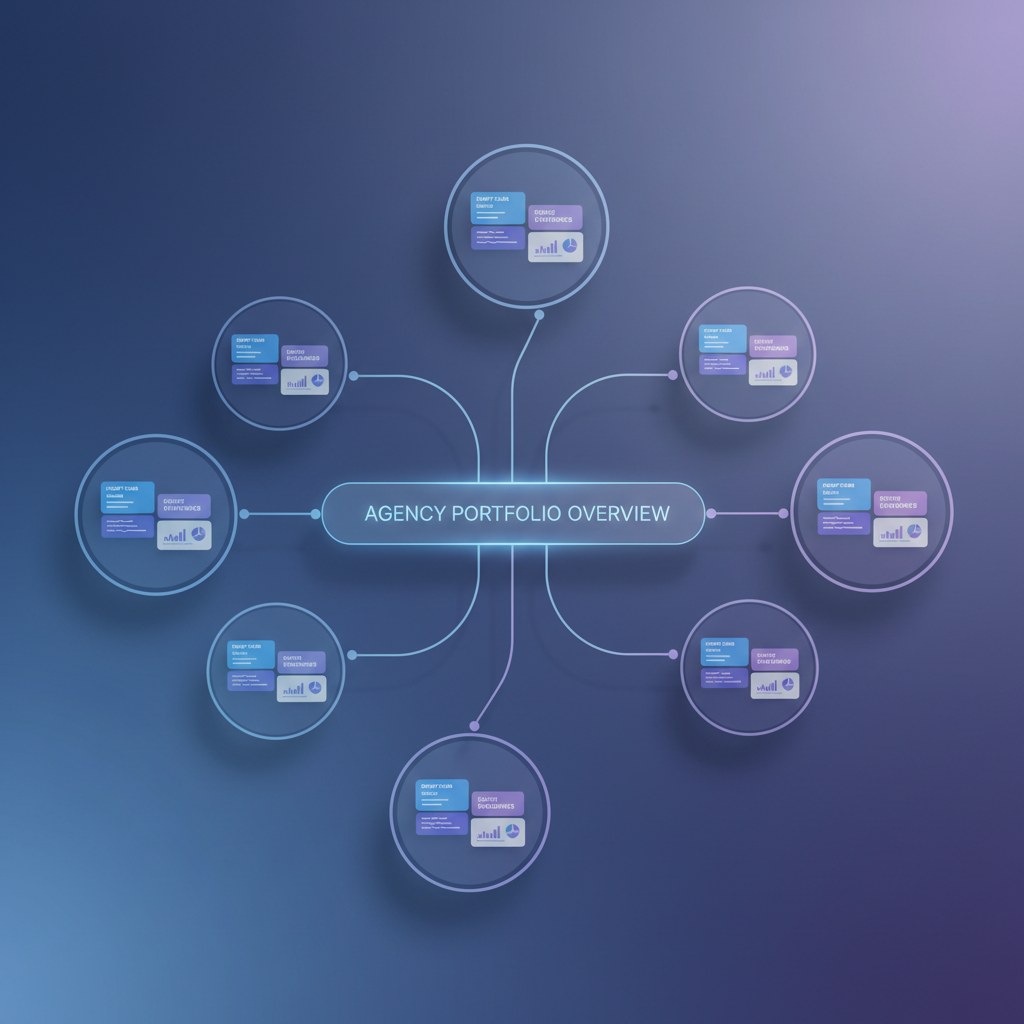
What Does One Website Need First?
For one website, keep the buying decision practical. Start with a fixed prompt set, daily or clearly declared refresh timing, answer-level evidence, citation capture, competitor detection, and a history view.
A starter program does not need a white-label portal or complex role permissions. It does need enough evidence to answer a simple weekly question: did we appear more often, in the right buyer prompts, with sources we can inspect? Our single-site guide explains how to establish that baseline before expanding scope.
What Does an Eight-Client Agency Need?
An agency should treat data separation as a non-negotiable requirement. Every client needs its own domain, prompt library, competitor set, reporting view, and permission boundary.
The operational layer matters just as much. Reusable templates, bulk imports, scheduled reports, portfolio-level exceptions, and client-safe evidence links reduce the labor hidden behind each monthly deliverable.
Which Questions Should Agencies Ask in a Demo?
Ask to create two sample client accounts, import prompts in bulk, assign client viewing access, generate branded reports, and export the evidence behind one result. Then ask what happens when the agency adds its ninth client.
A platform that cannot demonstrate these workflows in a live account may still provide good monitoring. It is simply not yet proven as a multi-client operating system. A strong demo also shows what an analyst sees, what a client sees, and how the agency can correct an inaccurate competitor or citation without exposing another client’s data.
Use our multi-client tracker guide when building the final requirements list and preparing a platform trial.
What Will Monitoring Cost at Your Portfolio Size?
The entry price is only the beginning. A monthly price becomes misleading when prompts, engines, locales, extra sites, reporting, and onboarding are billed separately or unlocked only at higher tiers.
For PageLens.ai, the figures below model published single-site plans at each site count. They are multiplication models, not a promise that stacking single-site plans is the recommended commercial path. We also offer an agency route for unlimited client sites and multi-client reporting, with terms set by quote.
| Sites | Monitor Equivalent | Optimize Equivalent | Monitor Prompts | Optimize Prompts |
|---|---|---|---|---|
| 1 | $49 | $199 | 50 | 100 |
| 3 | $147 | $597 | 150 | 300 |
| 8 | $392 | $1,592 | 400 | 800 |
| 20 | $980 | $3,980 | 1,000 | 2,000 |
We calculate monthly answer checks by multiplying sites, prompts per site, engines, locales, repeat runs, and refreshes per month.
For example, eight clients with 50 prompts, one engine, one locale, one run, and daily refreshes require 12,000 answer checks in a 30-day month. Tracking three engines under the same setup requires 36,000.
That is why agency buyers should request a written total-cost model for their actual portfolio, including client workspaces, extra prompts, added engines, seats, reporting, white-label requirements, and onboarding. Our multi-site pricing guide can help frame that procurement conversation.
How Should You Test and Migrate a Tracker?
A fair evaluation is not a tour of charts. It is a controlled test in which every platform receives the same prompts, client setup, engine selection, and success criteria.
Use 20 prompts: five category discovery prompts, five comparison prompts, five problem and solution prompts, and five source-sensitive prompts. Score every platform on raw-answer retrieval, competitor detection, source capture, and metric transparency. Each result should have a retrievable answer, not just a percentage.

How Should You Build Test Cards?
Each test card should record the prompt, intended buyer stage, client domain, engine, locale, expected competitor set, run date, raw-answer link, cited domains, and reviewer decision.
This makes it possible to distinguish a genuine zero mention from an answer capture failure. For more on selecting prompts that reflect real buyer language, use our prompt research guide.
What Should Migration Measure?
Do not estimate migration effort from a sales call. Track the analyst time needed to import prompts, define competitors, set permissions, build report templates, establish historical baselines, and complete quality assurance.
A reliable migration also has an exit test: can the team export its prompt library, raw answers, dates, cited sources, and client metadata? Keep the results of that exit test with the evaluation record so the selected platform can be assessed against the same standard at renewal time.
What Should a Weekly Review Include?
Review visibility movement, new competitors, cited domains, missing prompts, and any answer that misstates the client’s offering. Keep each client’s review separate, then use a portfolio roll-up only for resource planning and service reporting.
Documenting a consistent review process is as important as collecting the data. Our 100-prompt comparison offers a useful model for documenting repeatable evidence.
Which ChatGPT Visibility Tracker Fits Each Scenario?
The right choice is not universally the cheapest or the broadest. It is the tool that produces enough trustworthy evidence for the work your team has committed to doing.
| Scenario | Best-Fit Starting Scope | Decision Rule |
|---|---|---|
| Startup with one site | Daily ChatGPT baseline | Start small and prove whether priority buyer prompts produce useful evidence |
| In-house SaaS team | Cross-engine monitoring | Add engines when the team can review and act on competitor, citation, and sentiment signals |
| Small agency with eight clients | Multi-client reporting workflow | Require workspace separation, reusable templates, permissions, and client-ready reports |
| Scaled agency with 20 sites | Contracted portfolio operations | Require bulk setup, exports, alerts, implementation support, and predictable commercial terms |
For one website, choose the smallest plan that still saves raw answers and source evidence. For eight SaaS clients, choose the platform that proves data separation and recurring reporting before you compare headline prices.
If you need broader coverage, our multi-engine tracking resource explains how to keep engines comparable. Define citations before reporting progress, so every client receives evidence that can be inspected and discussed.
Why PageLens.ai Fits Your Portfolio
PageLens.ai helps marketing, growth, SEO, and content leaders replace scattered checks with evidence they can explain. We capture the buyer prompts that matter, preserve the answers and sources behind them, and make movement visible across the engines your audience uses. For a single site, our Monitor plan provides a focused daily ChatGPT baseline. For a broader program, we add cross-engine visibility, competitor and sentiment tracking, and reporting designed around the questions your team needs to answer. Agencies can use our multi-client reporting path when workspace separation and repeatable delivery matter more than another generic score. We recommend beginning with a small, fixed prompt set, confirming the evidence together, then expanding only when the review process is working. If you need a walkthrough of your portfolio, our team will confidently map the right measurement scope, commercial path, and rollout sequence. Book a demo
FAQs on ChatGPT Visibility Tracker
Is a ChatGPT Visibility Tracker the Same as a Rank Tracker?
No. Rank trackers record conventional positions, while ChatGPT visibility tracking preserves prompt-specific answers, brand mentions, cited sources, competitor context, and changes from repeatable weekly checks.
How Many Prompts Does an Eight-Client Agency Need?
Start with 10 to 20 buyer prompts per site, then expand after coverage is validated. Eight clients with 50 daily prompts each produce 12,000 checks.
Why Must Agencies Test Workspaces and Permissions?
Require separate client workspaces, role permissions, templates, branded reports, exportable evidence, and bulk setup. These controls prevent client data from mixing as the portfolio grows.
Can a Low Entry Price Become Expensive at Twenty Sites?
Entry prices can exclude sites, prompts, engines, seats, reporting, and onboarding. Model total costs at your portfolio size, then compare a written agency quote first.