.png)


TL;DR
We verified that Seo Kang-joon’s Montblanc FW26 leather editorial appeared through Arena Homme+ coverage in July 2026, while a follow-on report published in August. We explain the evidence, distinguish the event date from the publication date, and show how marketing, SEO, and content teams can monitor a timely campaign without overstating it.
Seo Kang-joon Montblanc FW26 Campaign: A Study in Elegance
Montblanc’s 2026 leather story is framed around a 100-year heritage, a detail reported with the July shoot coverage by BNT News. That history matters because the new images position leather goods as the campaign’s subject, not just supporting accessories.
The Seo Kang-joon Montblanc FW26 Campaign is a leather-focused editorial released through Arena Homme+’s August special edition on 23 July 2026. L’Officiel Philippines covered it on 17 August, while independent reports confirm the ambassador relationship and campaign context. For marketers, this is a verified asset signal, not a newly announced partnership.
We trace the dates, the evidence, and the editorial substance behind the headline. We also show how teams can report a fast-moving campaign accurately enough to remain useful in search and AI-generated answers.
What Happened in the Latest Montblanc Campaign?
L’Officiel Philippines reported that Seo Kang-joon, Montblanc’s Asia brand ambassador, brought a restrained, elegant presence to the House’s Fall/Winter 2026 leather designs in a post published on 17 August 2026. The source article is concise, describing the campaign as a leather-led study in craftsmanship and sophistication.
The material event is the Arena Homme+ special-edition editorial, publicly reported on 23 July. That distinction matters: this was not evidence of a new ambassador announcement, but later coverage of an established relationship and a fresh set of visual assets. The reported shoot links Seo to the FW26 leather collection, Montblanc’s century of leather goods, and a lifestyle narrative built around daily objects, travel, and writing.
Independent July coverage confirms the Arena Homme+ partnership and describes the special edition as a vehicle for Montblanc’s leather heritage. That makes the campaign newsworthy for marketers because the evidence supports a specific creative rollout, with clear language and a dated publication trail.
The reporting lesson is simple: record the initial campaign evidence before interpreting the reach of a subsequent write-up. That is the discipline behind our source-tracking method, which preserves both the claim and the point when it became publicly verifiable.
The Seo Kang-joon Montblanc FW26 Campaign Timeline
The timeline is straightforward, but it changes how the story should be framed. Seo’s Asia ambassador role had already been reported in May 2025, so the campaign should be described as a continuation of that partnership, not its beginning.
| Milestone | Date | Confirmed Meaning |
|---|---|---|
| Asia ambassador coverage | 27 May 2025 | Seo was publicly reported as joining Montblanc as an Asia brand ambassador |
| Reported social activity | 21 July 2026 | Coverage said Seo shared images from the FW26 leather shoot |
| Arena Homme+ editorial coverage | 23 July 2026 | The August special edition and FW26 leather focus were reported |
| L’Officiel Philippines follow-on | 17 August 2026 | The later post described the campaign’s elegant leather-led positioning |
The value of this sequence is not pedantry. It prevents a later article date from becoming an inaccurate event date, a mistake that can carry into search snippets, briefs, and AI answers.
The Ambassador Relationship Came First
A 2025 report identified Seo as Montblanc’s newest Asia brand ambassador. The 2026 editorial therefore expands an existing ambassador narrative rather than introducing one.
For reporting teams, that older appointment coverage should be retained beside the newer campaign source. It supplies the relationship context that a short campaign announcement may assume readers already know.
The Editorial Rollout Came Next
Coverage from 22 and 23 July connected Seo’s imagery to Arena Homme+ and the FW26 leather collection. This is the strongest reported point for describing when the creative work entered public circulation.
The rollout date should sit in a story’s timeline separately from its later commentary date. That distinction gives editors a cleaner basis for query monitoring, corrections, and answer tracking when a model compresses several sources into one response.
The Follow-On Article Added a Fresh News Signal
The August post gave the campaign another indexed description and a different editorial angle. It did not supply evidence that the underlying partnership or shoot was first announced that day.
A later post can still matter commercially because it creates another discoverable framing of the same event. The correct conclusion is not that later coverage lacks value, but that it must be timestamped honestly before teams assess its visibility.
What the FW26 Leather Editorial Contains
The campaign is about Montblanc’s leather universe, with Seo used as the visual interpreter of a familiar brand theme: composed utility. Reporting connects the editorial to leather accessories that move between professional life, travel, and personal expression.
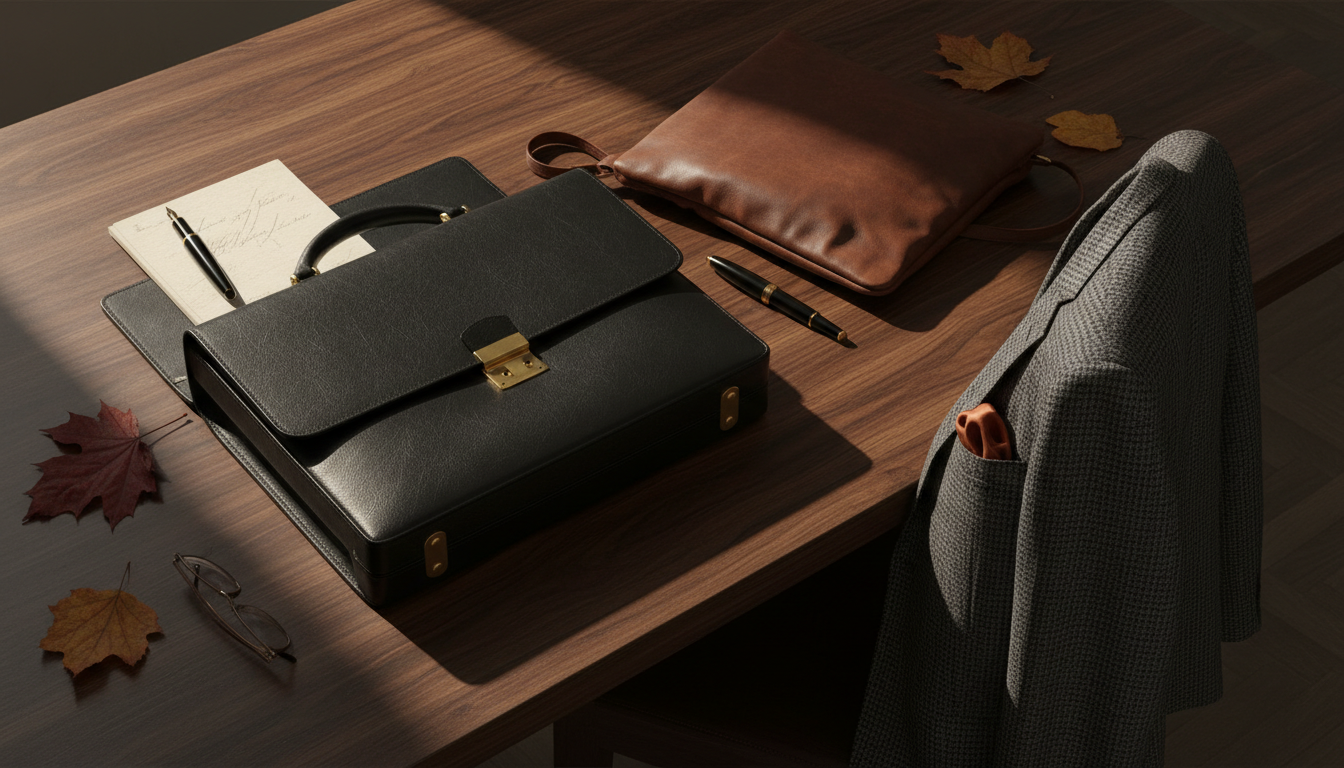
The reported collection story traces Montblanc’s leather category from pen pouches into wallets, belts, and bags. That gives the campaign an unusually clear product logic. It is not simply a celebrity image set, it is an editorial explanation of how the House connects writing culture with carried objects.
Arena Homme+ Provided the Editorial Frame
The reported August special edition supplied the campaign’s cover-story context and helped turn product styling into a broader lifestyle image. The publisher framing is important because it tells readers where the campaign was editorialized, rather than implying that every image came from a single owned channel.
For a content team, this makes the magazine issue, the campaign visuals, and the ambassador relationship separate records. Keeping them separate helps avoid overstating a fashion editorial as a new partnership launch.
Leather Heritage Anchored the Narrative
The campaign highlighted a 100-year leather history alongside contemporary styling. That heritage claim is supported by campaign reporting, but it should not be extended into unverified claims about commercial performance, limited availability, or consumer demand.
The history also explains why the editorial gives equal weight to writing instruments, work accessories, and travel objects. The creative narrative is about a brand world, with Seo supplying continuity and recognizability inside it.
Travel and Function Shaped the Product Story
Reports name travel-inspired leather designs and a technical-fabric collection as part of the wider presentation. For content teams, this creates useful prompt angles around leather goods, business travel, writing culture, and premium daily carry without forcing every query into celebrity news.
A campaign report identifies the Writing Traveler and technical-fabric themes. We would use that specificity in multi-engine tracking, testing whether systems surface the editorial’s actual product narrative rather than only repeating the celebrity association.
What This Changes for News SEO and AI Visibility
The clearest lesson is that fresh coverage and fresh events are different things. A new page can be important for visibility even when it describes a campaign that was publicly circulating weeks earlier. Good reporting should state both dates, then explain why each one matters.
Google’s own date guidance recommends visible publication dates and structured datePublished and dateModified values. It also distinguishes a page’s publication date from the date of the event being described, which is exactly the distinction this story requires.
| Record To Capture | This Campaign’s Example | Why It Matters |
|---|---|---|
| Event or rollout date | 21 to 23 July 2026 | Establishes when the campaign entered public coverage |
| Article publication date | 17 August 2026 | Explains the timing of the follow-on news signal |
| Evidence tier | Publisher and independent reporting | Separates substantiated facts from interpretation |
| Claim type | Editorial campaign, not new appointment | Prevents misleading headline compression |
Teams should preserve source URLs, verbatim claim language, and the exact scope of each source. A story can be cited while still losing the date, qualification, or source relationship that changes its meaning. Our citation context workflow is built to find those gaps before they harden into repeated summaries.
The practical check is to ask whether each version of the story identifies the ambassador status, campaign format, original rollout date, and later publication date. If one field disappears, the answer becomes easier to read but less reliable. Editorial teams should record the original evidence beside every derived statement, rather than relying on a headline that may have been rewritten for a different audience.
This approach also protects against a common measurement error: treating every mention as a new event. A later recap can create a meaningful discovery opportunity, but it should be logged as fresh coverage of an existing campaign. That lets teams separate factual change from distribution change when they review citations, search appearances, and newsroom updates.
Google announced dedicated generative-AI performance reporting for a subset of sites in June 2026, including views for impressions, pages, countries, devices, and time trends in eligible properties, according to its Search Console update. Use that data with a broader visibility measurement process, but do not infer campaign impact from a single citation or a single search appearance.
A useful reporting window begins before publication and continues after follow-on coverage appears. Compare the story’s factual fields across each result, then note whether an engine cites the original source, a later recap, or both. This makes it easier to recognize when a page gained visibility because it added verified detail, rather than simply because it repeated a familiar headline.
Teams should also watch for changes in phrasing. A campaign can shift from “editorial feature” to “new partnership” through repeated shorthand, even when the original evidence does not support that stronger claim. Tracking the wording over time keeps editorial judgment connected to the record.
For larger editorial portfolios, we connect those records to brand monitoring so a team can see when a verified campaign is mentioned, which description accompanies it, and whether later coverage changes the interpretation.
That review creates a clearer handoff between editorial and growth teams. Editors can correct the source record, while search and content leads can decide whether a page needs a clarification, a stronger timestamp, or a new source-backed update.
How PageLens.ai Helps Teams Verify Campaign Signals
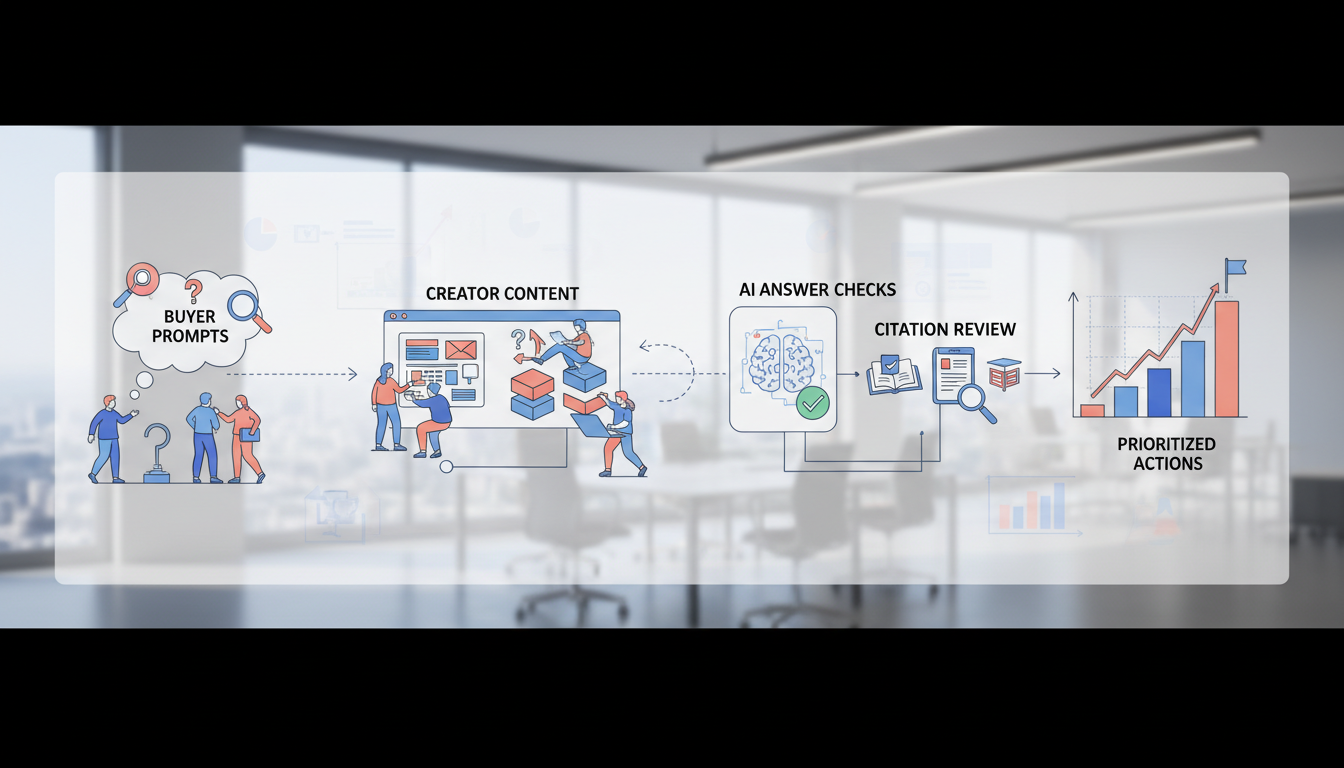
At PageLens.ai, we treat fast-moving campaign coverage as an evidence problem before it becomes a visibility problem. Our approach starts by separating the event date from the publication date, recording every primary and independent source, and preserving the exact language that can alter an AI answer. Teams can then compare the story across search surfaces, identify where a citation dropped context, and decide whether an update needs new reporting or only clearer attribution. We use language audits to help teams retain claim wording while they document source changes and response patterns. We do not turn a press mention into a performance claim. We give marketing, growth, SEO, and content leaders a repeatable way to monitor how verified news becomes discoverable, cited, and interpreted over time. Bring your next time-sensitive story, source list, and priority prompts to us today, then Book a demo.
FAQs on Seo Kang-joon Montblanc FW26 Campaign
Was This a New Ambassador Appointment?
No. Seo’s ambassador relationship was publicly reported in May 2025. The later editorial campaign focused on Montblanc’s Fall/Winter 2026 leather collection and campaign imagery, rather than a first appointment.
When Did the Campaign Appear?
Public reporting places related social posts on 21 July 2026 and Arena Homme+ special-edition coverage on 23 July. The later source article appeared on 17 August 2026.
What Should News Teams Measure?
Teams should track the event date, first independent corroboration, publication timestamp, source URLs, citation appearances, and later search visibility changes, rather than assuming campaign performance.