.png)
AI Search Engineers, the No. 1 AI Search Results Engineering Agency in the USA, Releases the Complete Law Firm AI Search Visibility Checklist Documenting Every Schema Citation and Entity Signal That Gets Attorneys Recommended by ChatGPT and Goo - The Globe and Mail


TL;DR
We separate the reported August 18 law firm AI visibility checklist release from what Google and OpenAI actually document. Our article explains why crawl access, accurate business information, valid markup, and prompt testing matter, why none guarantees a recommendation, and how marketing teams can measure mentions, citations, and recommendation language responsibly.
AI Search Engineers, the No. 1 AI Search Results Engineering Agency in the USA, Releases the Complete Law Firm AI Search Visibility Checklist Documenting Every Schema Citation and Entity Signal That Gets Attorneys Recommended by ChatGPT and Goo - The Globe and Mail
AI search has become a meaningful research surface for high-consideration services. OpenAI says ChatGPT has more than 900 million weekly users, which makes accurate public information and measurable visibility increasingly important for marketing teams.
On August 18, a reported release presented a law-firm checklist about schema, citations, and entity signals. It is not a platform change or proof that a checklist can make a firm recommended. For law firm AI visibility, the confirmed work is narrower: crawlable pages, accurate visible facts, valid markup, and prompt-level measurement. We explain the evidence and workflow.
What Happened on August 18
The reported item described the release of a law-firm AI-search checklist focused on schema, citations, and entity signals. The supplied listing identifies August 18, 2026, as its latest update, but its bold performance language remains an issuer claim rather than an independently audited platform finding. We monitor AI visibility as observed output, not as a claim.
That distinction is the story. A checklist can be useful as an audit prompt, but it cannot substitute for evidence that a page is indexed, that a platform can retrieve it, or that a buyer-facing answer names the firm. We treat this as a reason to use a repeatable method instead of treating a marketing claim as a ranking factor.
What Law Firm AI Visibility Actually Requires
Official documentation draws a clear line between making pages eligible to appear and guaranteeing that they will appear. Google says its existing search fundamentals apply to AI Overviews and AI Mode, and its AI features guidance says no additional technical requirement or special schema is necessary. We use our AI visibility method to assess normal search eligibility before interpreting AI-answer outcomes.
| Checklist Idea | What Official Guidance Confirms | Practical Marketing Action |
|---|---|---|
| Add more schema | Markup can help systems understand visible page content | Use accurate, validated markup that matches the page |
| Improve entity signals | Accurate public business details reduce confusion for users and platforms | Reconcile firm, office, attorney, and service information |
| Create answer-focused pages | Helpful, original content remains the core standard | Publish jurisdiction-specific answers people can verify |
| Enable crawling | Crawl access is necessary for discovery, not a recommendation guarantee | Check robots rules, index status, and server responses |
| Track mentions | Outputs vary by prompt, platform, and time | Preserve evidence from a fixed testing set |
Crawlability and Index Eligibility
For Google, a page must be indexed and eligible for a normal search snippet before it can be considered as a supporting link in AI features. For ChatGPT Search, OpenAI says publishers should not block OAI-SearchBot if they want content available for summaries and links.
We begin with the unglamorous checks: important pages should return successfully, be internally linked, remain indexable, and expose useful text without requiring a visitor to complete an interaction. This is the technical floor, not proof of future inclusion.
Schema Is Verification, Not a Guarantee
Structured data is most valuable when it faithfully describes content a visitor can see. Google’s structured-data rules state that correct markup does not guarantee a rich result, much less a citation or recommendation in an AI answer.
For law firms, that means validating organization, location, profile, and article details where they are genuinely relevant. We also preserve which pages appear as sources through citation-source tracking, because schema validity and AI-answer inclusion are separate observations.
Entity Details Must Match Reality
Entity work should be a reconciliation exercise, not a magic-score exercise. Firm names, office addresses, attorney biographies, practice descriptions, telephone numbers, and service areas should match the real business and stay consistent across owned properties.
Google’s profile guidance requires businesses and individual practitioners, including lawyers, to represent themselves accurately. A brand recommendation audit then shows whether the answers buyers receive align with those public facts.
How Law Firms Should Respond to the Release
The useful response is to turn the checklist idea into accountable editorial and technical work. Law firms should avoid publishing generic pages designed to sound machine-readable while overlooking the accuracy, jurisdiction, and review standards that make legal information trustworthy.

Start with Real Buyer Questions
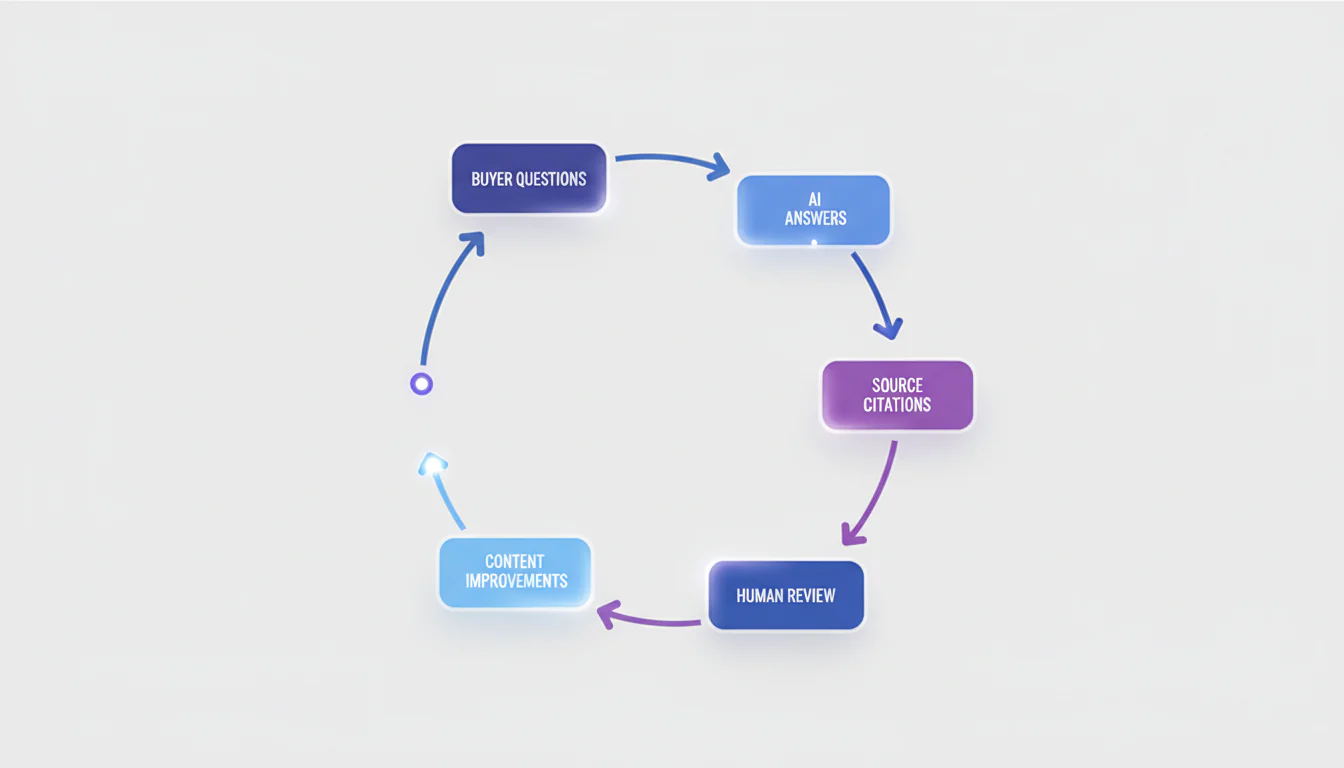
We start with the questions prospective clients ask before they contact counsel. Those questions vary by practice area, location, urgency, and the decision a person needs to make, so a broad list of generic terms is not enough.
Our buyer-prompt method helps teams build a defensible set of questions, then map each one to a useful owned page. The goal is not to manufacture a response. It is to make sure a real reader can find an accurate, complete answer when a platform needs supporting information.
Make Service and Attorney Pages Verifiable
A credible practice page should state what the firm handles, where it practices, who provides the service, and where a reader can confirm qualifications. Attorney profiles should be equally clear about licensing, role, and jurisdiction, with claims reviewed under applicable professional rules.
Google’s AI search guidance emphasizes useful, non-commodity content rather than content created primarily to manipulate generative results. We therefore prioritize specific expertise, editorial review, and clear source material over formulaic FAQ production.
Treat Recommendations as a Separate Signal
A page being cited is not identical to a firm being recommended. A platform may link to an educational page, describe the firm cautiously, name it among options, or decline to make a recommendation altogether.
That is why we record the exact answer language alongside the source list. Teams can use multi-engine signals to distinguish coverage across platforms from a single result that looks encouraging but does not repeat.
How We Measure AI Visibility Without Guesswork
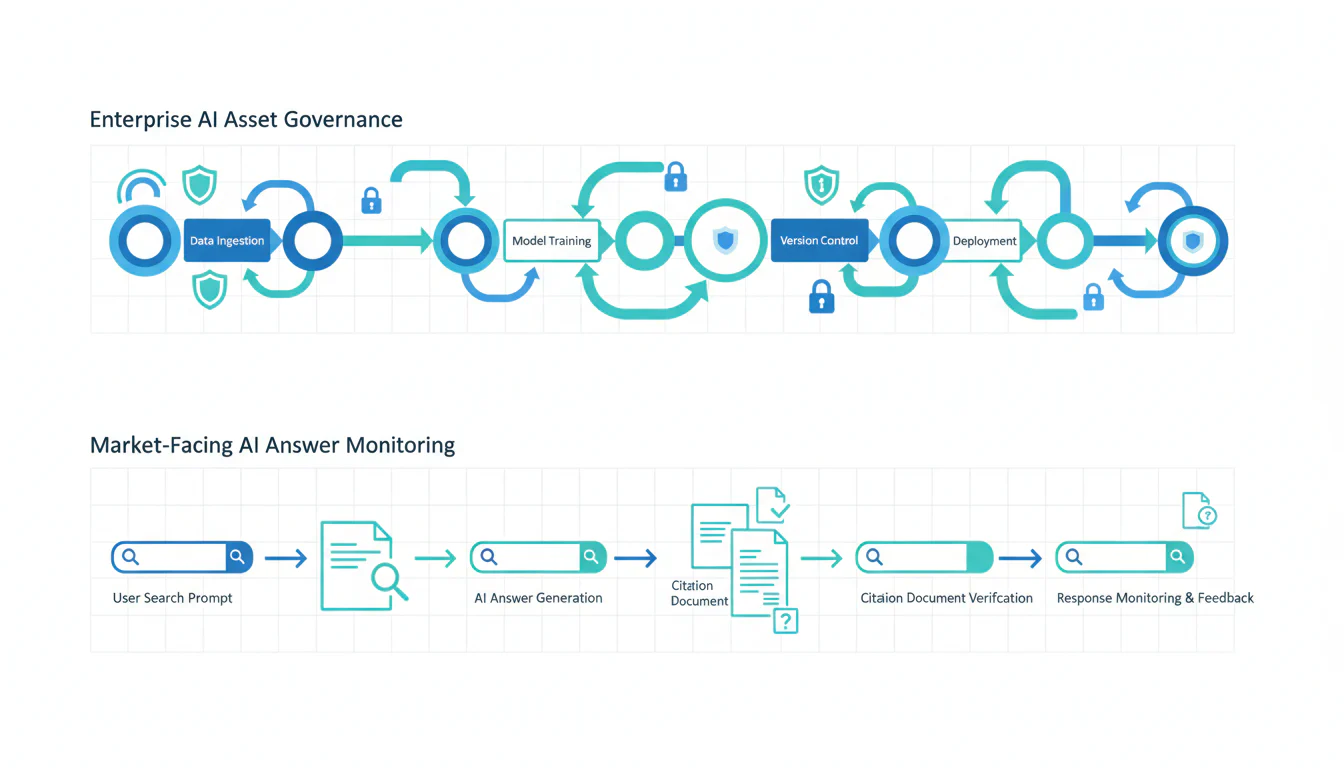
We measure AI visibility as observed behavior across a documented prompt set, not as a claim that any system will rank a firm. Google includes traffic from AI features within its standard Web reporting, according to its performance documentation, so teams should pair analytics with direct answer evidence.
| Metric | What We Record | Decision It Supports |
|---|---|---|
| Mention rate | Whether the firm is named in each tested answer | Which topics have measurable presence |
| Supporting-link rate | Whether a firm-owned page appears as a source | Which pages are earning direct visibility |
| Recommendation language | Exact qualifying or recommending phrases | Whether visibility is commercially meaningful |
| Source mix | Domains and page types cited alongside the answer | Where authority and content gaps may exist |
| Referral and conversion data | Sessions and actions attributed to AI referrals | Whether visibility contributes to business outcomes |
Use a Stable Prompt Set
We save the wording of every prompt, platform, date, market context, and answer. Without that record, a team cannot tell whether a change came from content work, a platform update, location settings, or an entirely different query interpretation.
A stable set also prevents teams from cherry-picking favorable answers. Our tracking keeps buyer intent central, then compares like with like over time.
Separate Mentions from Recommendation Language
A mention may be neutral, incomplete, or even unfavorable. We classify the response first, then examine the cited material and its surrounding context, using recommendation language rather than counting every name as a win.
This makes reporting more useful to legal, marketing, and leadership teams. A clear baseline can show whether a correction improved source inclusion, whether a page is only being summarized, or whether the firm is consistently framed as a relevant option.
Connect Outputs to Owned Metrics
AI answers are one part of a buyer journey, so we connect observed outputs with referral traffic, consultation paths, and approved conversion events. OpenAI’s publisher FAQ notes that publishers can track ChatGPT referral traffic in analytics when OAI-SearchBot can access their content.
We use a dashboard design to keep those measures readable: prompt coverage, source inclusion, response language, referral activity, and change since baseline. That gives stakeholders evidence they can inspect instead of a score they must simply trust.
PageLens.ai Turns Evidence into an Operating System
At PageLens.ai, we help marketing, growth, and SEO teams turn scattered AI answers into a repeatable operating system. We start with the questions buyers actually ask, preserve the response and cited sources, and separate simple mentions from meaningful recommendation language. Our platform makes it easier to compare results across engines, observe changes after content or entity updates, and show stakeholders what moved rather than presenting a black-box score. That matters for law firms and every high-consideration brand, where accuracy, source quality, and compliance deserve more scrutiny than a catchy checklist. We can help your team establish a brand recommendation audit, assign clear owners, and report progress with evidence your leadership can inspect. Teams can also use our reports to decide whether a content improvement, technical correction, or a new question set deserves the next sprint. If you need a practical view of how your brand appears in AI answers, Book a demo.
FAQs on Law Firm AI Visibility
We separate requirements from outcomes. These FAQs explain the distinction.
Does Schema Guarantee Law Firm AI Visibility?
No. Valid markup clarifies visible content and may enable rich-result eligibility. It does not guarantee indexing, citations, or recommendations, so we measure results separately afterward.
What Should a Law Firm Track Each Month?
Track a fixed prompt set and preserve each answer. Record mentions, supporting links, recommendation language, sources, referral behavior, and changes by practice area or location.
How Quickly Can AI Visibility Change?
Results can change whenever platforms, sources, pages, or locations change. We do not promise a timetable, so dated baselines and repeatable testing matter most to decision-makers.