.png)
ServiceNow targets APAC growth through AI visibility, security and channel scale - CRN Asia


TL;DR
We found that ServiceNow’s reported APAC growth push links enterprise AI visibility, security, and a deeper partner strategy, although regional revenue claims remain executive statements rather than disclosed financial results. This article separates confirmed product and channel evidence from analysis, then gives marketing and SEO leaders a practical way to measure visibility in AI-generated buyer answers.
ServiceNow targets APAC growth through AI visibility, security and channel scale - CRN Asia
ServiceNow reported US$3.987 billion in Q2 revenue, up 24% year over year, shortly before its APAC leadership made a more regional growth case at a Sydney partner event.
On August 4, 2026, ServiceNow APAC AI visibility became a clearer go-to-market signal when its regional president, speaking at a Sydney partner event, paired AI governance and security with a deeper partner strategy. The reported APAC revenue and growth figures remain executive claims, while the underlying product and channel moves are independently documented.
We separate those confirmed facts from interpretation, then show what marketing, growth, and SEO leaders should measure when enterprise AI governance becomes part of the market conversation.
What Happened in Sydney
The immediate news came from ServiceNow’s Partner Forum in Sydney. CRN reported that APAC president Adrian Johnston described the region as ServiceNow’s fastest-growing, said annual regional revenue had passed US$1 billion, and put growth above 40% year over year.
Those figures matter, but they need careful treatment. They are remarks reported from the event, not separately disclosed APAC financial results in the company’s public quarterly release. The same applies to the executive’s regional market-size estimate, which should be framed as a leadership assessment, not an audited forecast.
The more durable signal is strategic. ServiceNow is tying together three things that often sit in different teams: visibility into enterprise AI systems, security controls around those systems, and a partner ecosystem expected to deploy them at scale. For marketers, that makes the story larger than a regional sales update. It creates a new cluster of buyer questions about AI governance, trust, deployment, and proof. Teams should monitor brand visibility separately from enterprise control signals.
What ServiceNow APAC AI Visibility Means
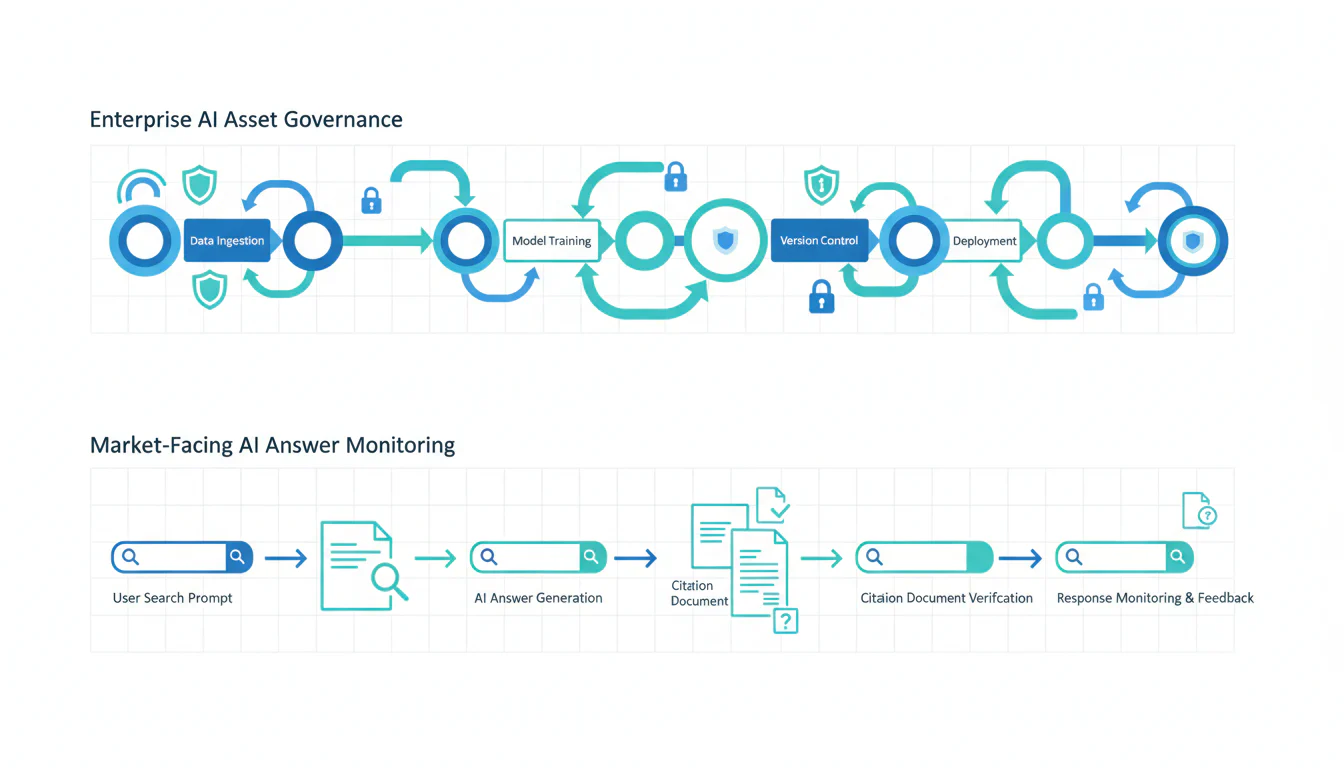
In this context, AI visibility does not primarily mean whether a company appears in an AI-generated answer. It means whether an enterprise can identify, observe, govern, secure, and measure the AI systems operating across its environment. That distinction should shape both editorial claims and measurement.
Visibility Is an Enterprise Control Problem
At its May 2026 event, ServiceNow said its AI Control Tower expansion added discovery across 30 enterprise integrations, continuous observation, governance, security, and measurement capabilities. Its release also described five risk frameworks aligned with NIST and EU AI Act standards, which supports the company’s enterprise-control positioning. Read the AI Control Tower announcement as evidence of product direction, not proof that every organization has solved AI governance.
For our audience, the useful translation is simple: operational AI visibility concerns assets, identities, models, prompts, and workflows. Market visibility concerns what prospective buyers see when they ask AI assistants for advice. Teams should not collapse those two measurements into one dashboard.
Security Is Becoming Part of the Visibility Story
The security message has concrete corporate backing. ServiceNow completed its US$7.75 billion acquisition of Armis in April 2026 and said the acquisition adds cyber-asset intelligence, while its earlier identity security acquisition closed in March. The company also warns that expected benefits remain forward-looking and depend on successful integration, an important qualification in any reported analysis. See the acquisition close for the transaction details and risk language.
Product Releases Show Ongoing Execution
The August 2026 AI Control Tower release notes list multi-tenant credentials for hyperscaler connectors, richer system relationship mapping, and changes to privacy and security enforcement. That supports the conclusion that visibility and governance are active product priorities, rather than a one-time event theme. We would track citation context separately from these enterprise controls, because a cited page and a governed AI asset answer different questions.
| Visibility Layer | What It Measures | Evidence To Seek | Owner |
|---|---|---|---|
| Enterprise AI visibility | Systems, agents, identities, and access | Inventory coverage and control status | Security and IT |
| AI search visibility | Brand mentions, recommendations, and citations | Prompt-level outputs and source context | Marketing and SEO |
| Shared business value | Whether claims turn into trusted demand | Qualified traffic, pipeline influence, and buyer language | Growth leadership |
Why Channel Scale Matters in APAC
The event also highlighted a move toward deeper relationships with a more focused set of partners. That framing is consistent with ServiceNow’s earlier program changes, even if the exact APAC partner mix was not publicly detailed in the report.
In January 2025, ServiceNow said it had nearly quadrupled investment in partner incentives and specializations, and that its program included more than 2,200 partners. The program emphasized training, services, and specialized AI capabilities. That makes channel capacity a credible part of the expansion story, as shown in the partner program update.
Distribution Does Not Equal Proven Outcomes
A larger or more specialized channel can accelerate implementation, but it does not prove customer value or regional market share. Content should avoid turning ecosystem investment into a claim that every partner can deliver comparable AI governance expertise.
Regional Demand Has Practical Constraints
An April 2026 ISG report found APAC organizations are advancing AI readiness and operational resilience, while remaining cautious about governance, costs, and data readiness. The study evaluated 36 providers and described different adoption patterns across mature markets, Southeast Asia, and India. That nuance from ISG’s APAC research is more useful than treating APAC as one uniform market.
For agencies and multi-market teams, the immediate job is to track regional variation. A governance message that resonates with a regulated buyer may not be the prompt or proof point that moves a greenfield deployment team. Our guide to multi-client visibility can help keep those markets, clients, and prompt sets distinct.
What Marketing and SEO Leaders Should Do Next
This news is a useful reminder that category language changes quickly. If buyers increasingly ask about AI governance and security, a content program built only around generic AI productivity claims will miss part of the demand. Regional wording should stay discrete because buyers often search under local regulatory and industry terms. A central prompt set still needs local variations before it can guide content decisions. Teams should also map the supporting evidence behind each prompt, including reporting, documentation, customer proof, and owned explanatory pages. That makes it easier to identify a content gap before competitors fill it with unsupported claims.
Use the prompt set as a living research asset rather than a static keyword list. Review new questions after product announcements, regional policy developments, and major partner communications. Keep each market’s language, audience, and decision stage visible in reporting, since a broad regional narrative rarely explains every buyer’s information need. Our buyer prompt method explains how to ground that work in evidence rather than intuition.
Build Prompt Sets Around Real Decisions
Start with questions a buyer would ask before selecting, expanding, or governing an enterprise AI deployment. Include regional and industry modifiers, then separate informational prompts from recommendation prompts. Document why each prompt matters, what a useful answer should contain, and which source types could substantiate it.
Measure the Exact Answer, Not a Single Score
Record the engine, locale, prompt, response date, brand mention, recommendation language, and cited source. This allows a team to distinguish a neutral mention from a preferred recommendation, and to see whether a change is tied to a specific source or content update.
Before treating a mention as progress, compare the response with the buyer decision behind the prompt. A product description, a factual citation, and a recommendation answer different commercial questions. A recommendation audit helps teams classify those differences consistently and identify where content needs more specific evidence.
Publish Claims That Can Survive Scrutiny
Every page discussing security, growth, or regional expansion should identify what is confirmed, what is attributed to an executive, and what is analysis. This improves trust for readers and gives AI systems better source material to retrieve and summarize.
| Content Decision | Weak Approach | Strong Approach |
|---|---|---|
| Regional growth | Repeat an executive figure as settled fact | Attribute it and distinguish it from disclosed company results |
| Security positioning | Use broad promises without evidence | Link claims to dated releases, product documentation, or filings |
| AI visibility | Treat it as one metric | Separate enterprise controls from AI-answer brand visibility |
| Performance reporting | Report a blended score | Show prompts, wording, sources, and regional segments |
How We Use PageLens.ai to Turn This Signal into Measurement
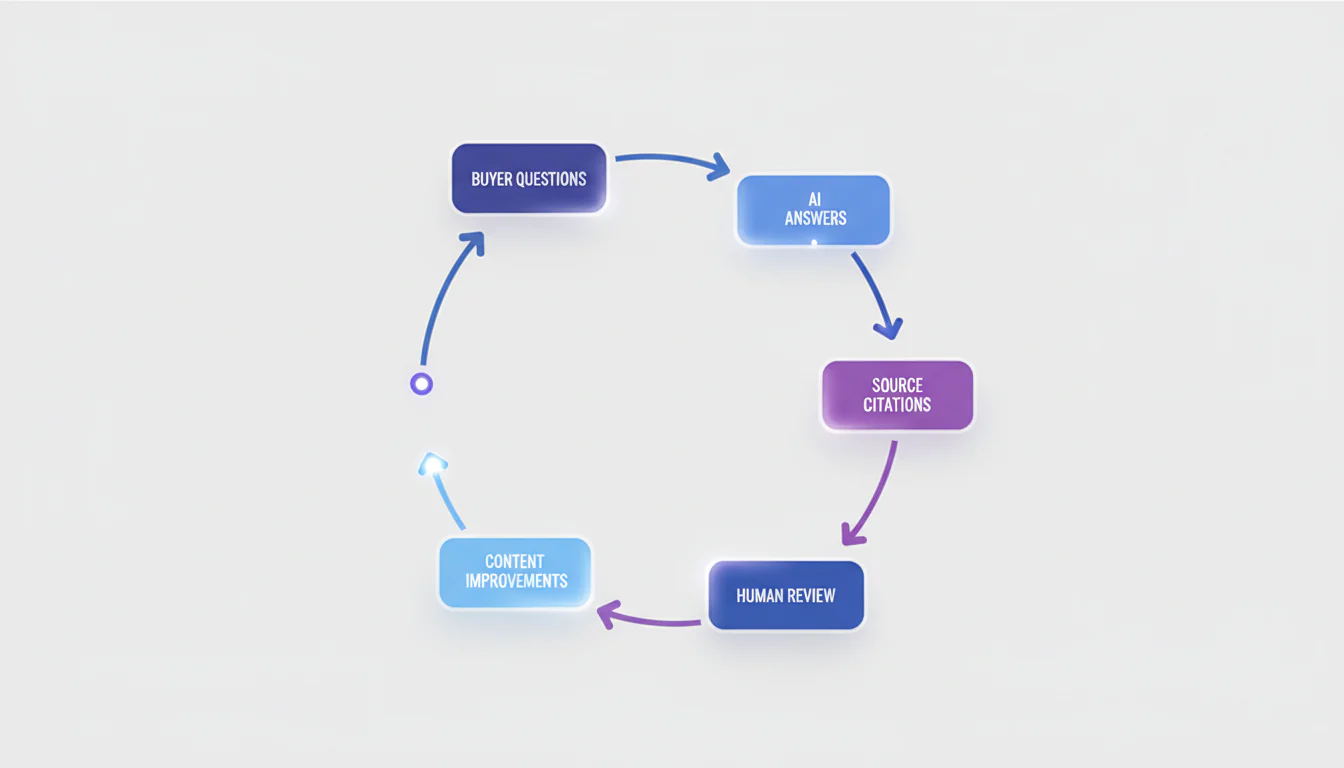
At PageLens.ai, we help marketing and growth teams turn fast-moving AI narratives into a repeatable measurement practice. We begin with the buyer questions that matter in a category, then track whether AI answers mention, recommend, or cite a brand across markets and engines. Our workflow preserves the exact response language and source context, so teams can investigate movement instead of reacting to a vague score. That distinction matters when an enterprise AI visibility story changes buyer vocabulary but does not automatically improve external brand visibility. We also organize prompt sets by audience, region, and intent, keeping reporting useful for content, PR, and leadership decisions with clear ownership, comparable baselines, and an audit trail that content teams can use before they publish, update, or prioritize a page. Explore our methodology to see how we turn prompt evidence into decisions, then Book a demo.
FAQs on ServiceNow APAC AI Visibility
These questions address the reporting distinction at the center of this story. We recommend preserving that distinction in your own measurement: an executive statement, a documented product capability, and a buyer-facing recommendation each require different evidence. Regional reporting should also remain specific about market, date, source type, and whether a claim is confirmed or attributed. When a category changes quickly, a repeatable prompt log helps teams identify changes without treating an isolated answer as a trend. Use that record to compare answer language, cited sources, and recommendation patterns across relevant markets. Our guide explains how to measure AI visibility with a repeatable system.
What Happened with ServiceNow in APAC on August 4, 2026?
At a Sydney partner forum, ServiceNow’s APAC president linked regional growth with AI governance, security, and deeper partners. Revenue and growth figures were executive statements.
Is ServiceNow APAC AI Visibility the Same as AI Search Visibility?
No. Enterprise AI visibility tracks internal systems, agents, identities, and controls. AI search visibility tracks whether buyer-facing AI responses mention, recommend, or cite a brand.
Why Does Channel Scale Matter for AI Visibility?
Channel scale affects deployment, customer proof, and market narratives. Teams should test whether those narratives appear consistently across regions in AI buyer answers.